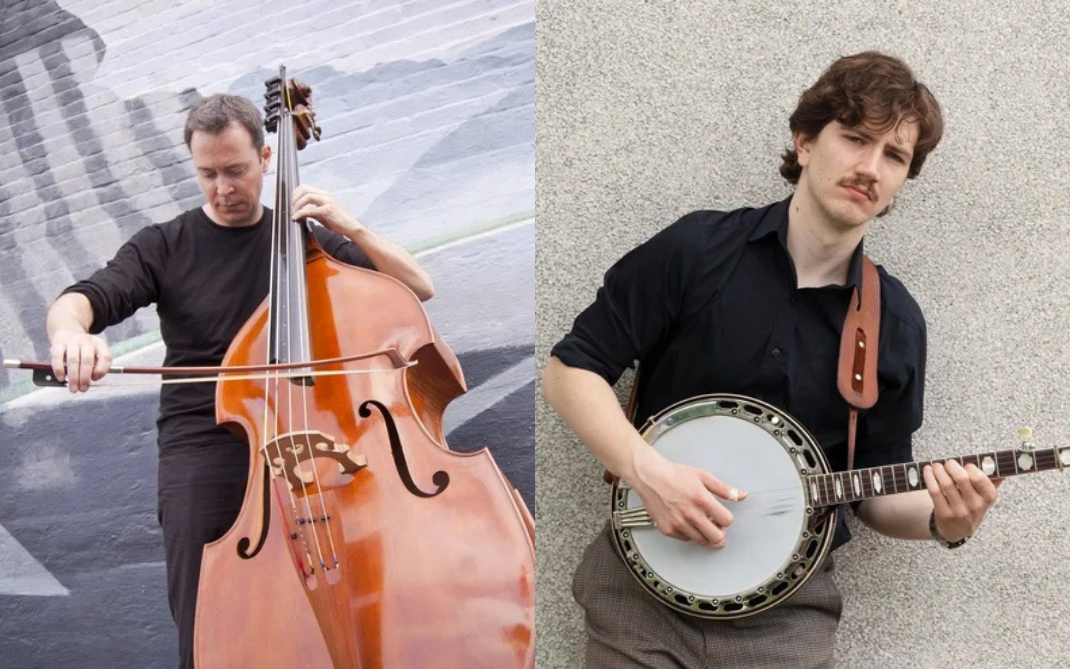
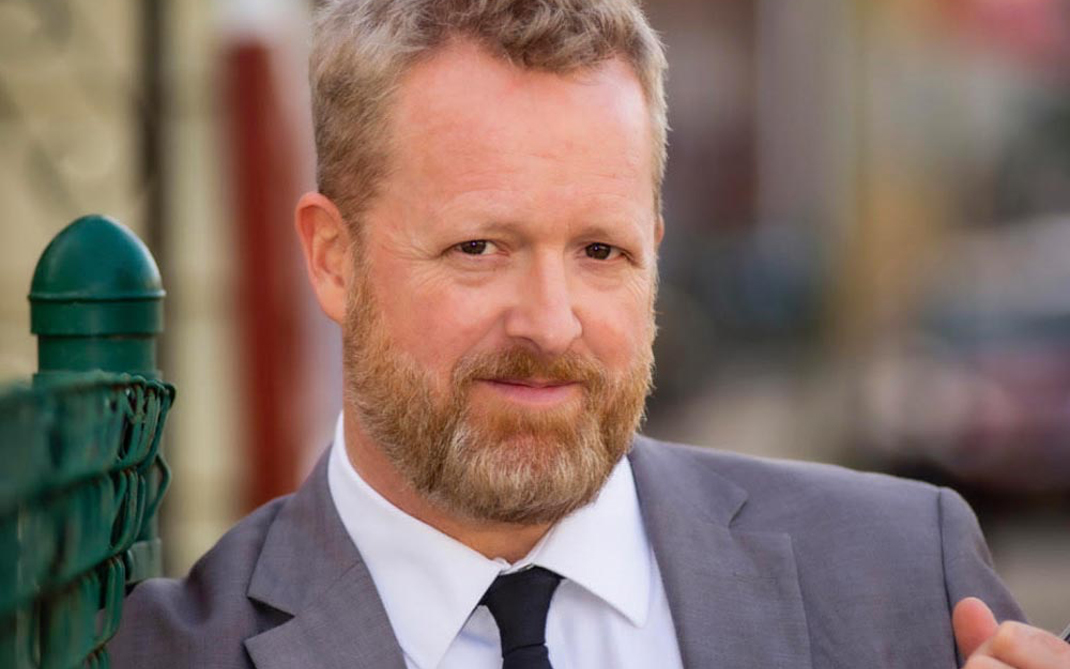
Hear bass and banjo like never before in this bold, genre-spanning performance. Double bassist Craig Butterfield and banjo phenom Max Allard team up to present a program inspired by "Music for Two," the groundbreaking recording by Edgar Meyerand and Béla Fleck. Blending original works with music shaped by Meyer and Fleck's legacy, Butterfield and Allard move seamlessly across folk, bluegrass, jazz and classical styles -- highlighting a natural chemistry between the instruments. With a shared spirit of exploration, this duo pushes beyond tradition to create a sound that is vibrant, inventive and entirely their own.

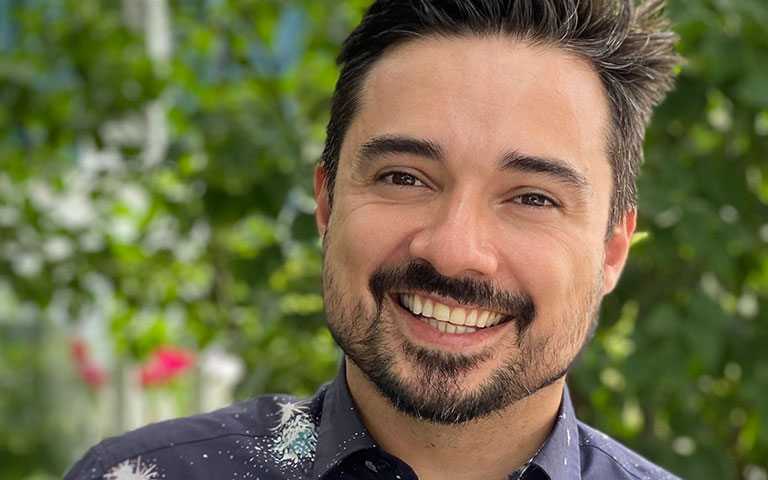
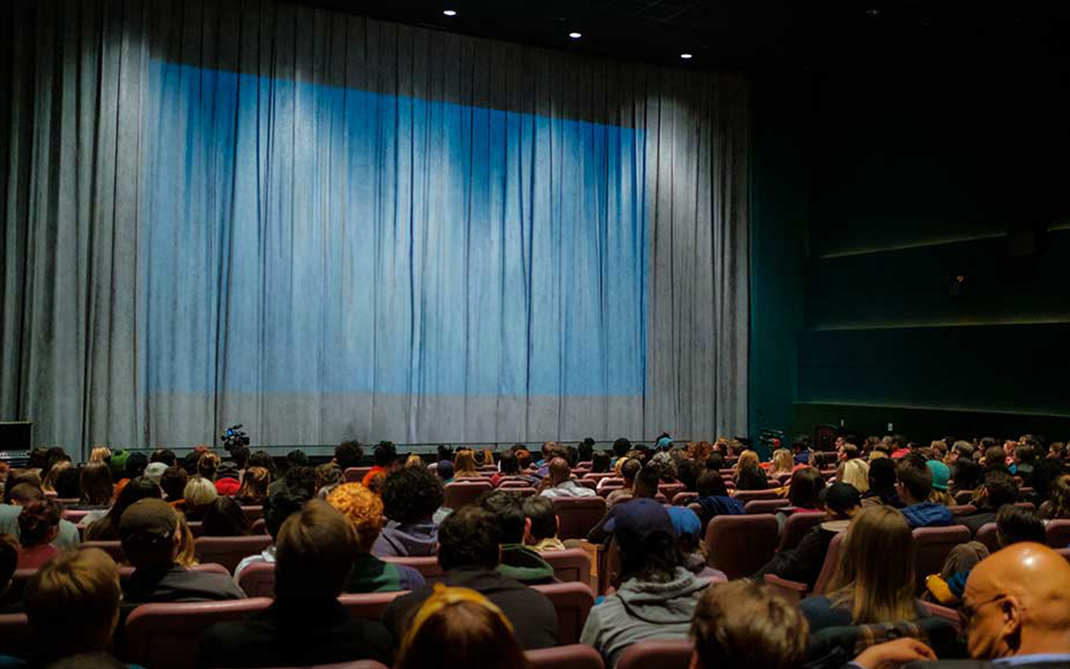
An acclaimed film exploring AI and society that premiered at Sundance in 2026, the AI Doc is presented in partnership with a/perture cinema. There will be a discussion following the screening featuring film editor Davis Coombe, UNCSA Chancellor Brian Cole, and Arts and Emerging Technology Residency Project Director Koven J. Smith.

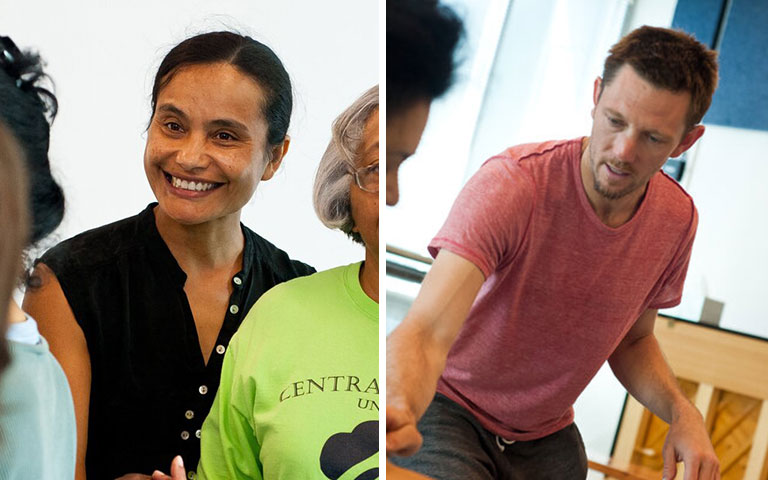
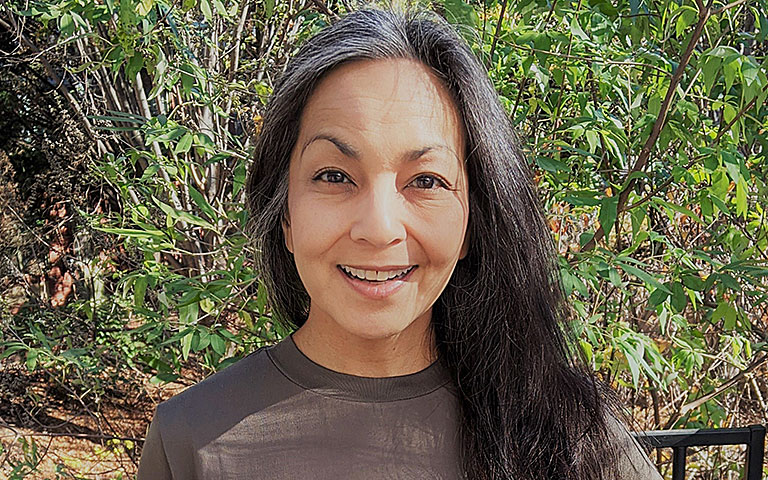
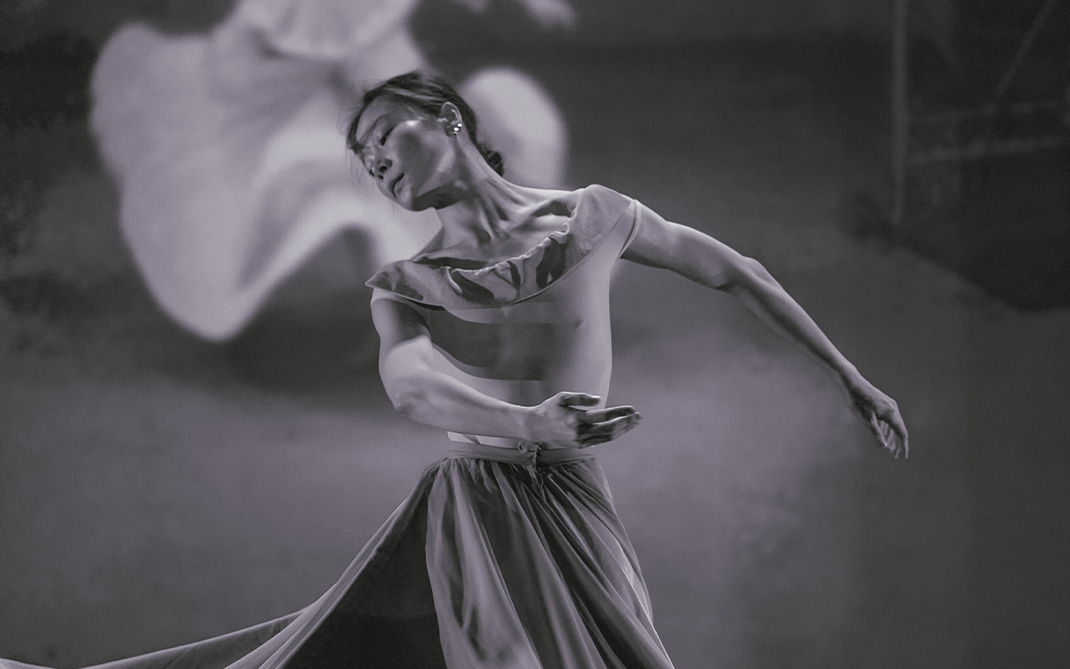
Hosted by the University of North Carolina School of the Arts and the Thomas S. Kenan Institute for the Arts, the residency will bring together artists, technologists, legal scholars and industry leaders to examine the ethical, legal, technical and creative implications of AI for the arts. The event centers on the work of acclaimed choreographer and Martha Graham Dance Company member Xin Ying, which was created in collaboration with Mimi Yin and NUUM Collective.

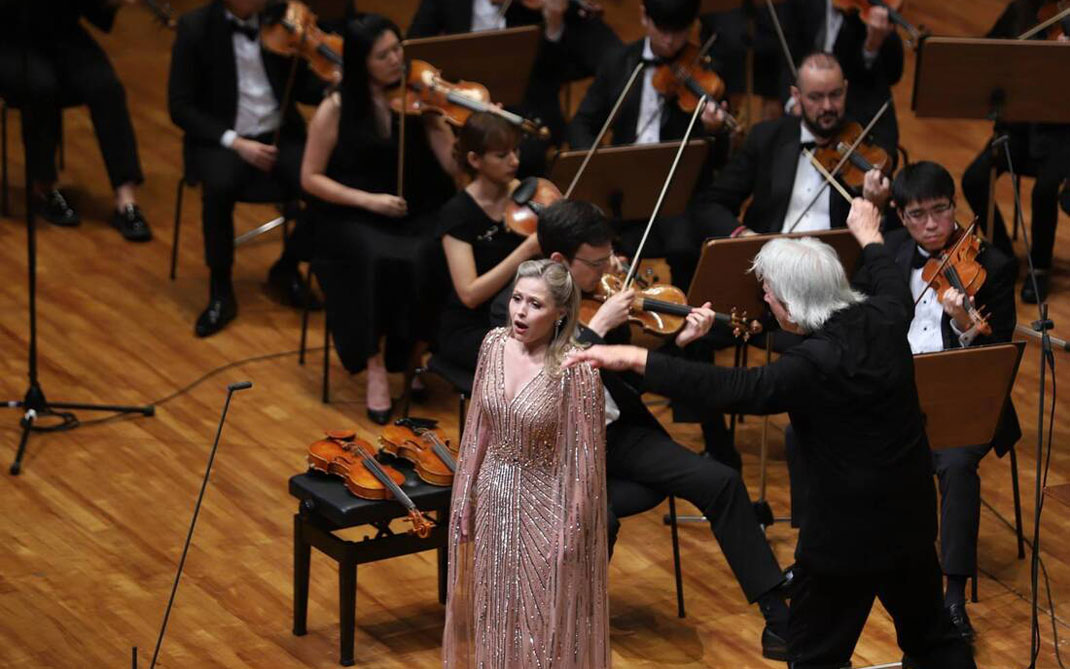
Step into a luminous soundscape as soprano Alisa Jordheim (Gilda in "Rigoletto," Soeur Constance in "Dialogues des Carmélites," Violetta in "La Traviata") brings the dramatic beauty of the Nordic landscape to life through music. Featuring works by Edvard Grieg, Eyvind Alnæs, Agathe Backer Grøndahl, Hugo Alfvén, Jean Sibelius, Lars-Erik Larsson, Albert Schnelzer and Carl Nielsen, the program draws on a rich tradition of song shaped by mountains, fjords, forests and shifting light. Performed in Norwegian, Swedish, Danish and Finnish, these works reflect a deep connection to nature, from quiet introspection to moments of striking intensity. With clarity, warmth and expressive depth, Jordheim invites audiences into a world where the natural and musical realms are inseparable. Alisa Jordheim performs at UNCSA as part of a year-long operatic celebration of the 25th anniversary of the A.J. Fletcher Opera Institute.

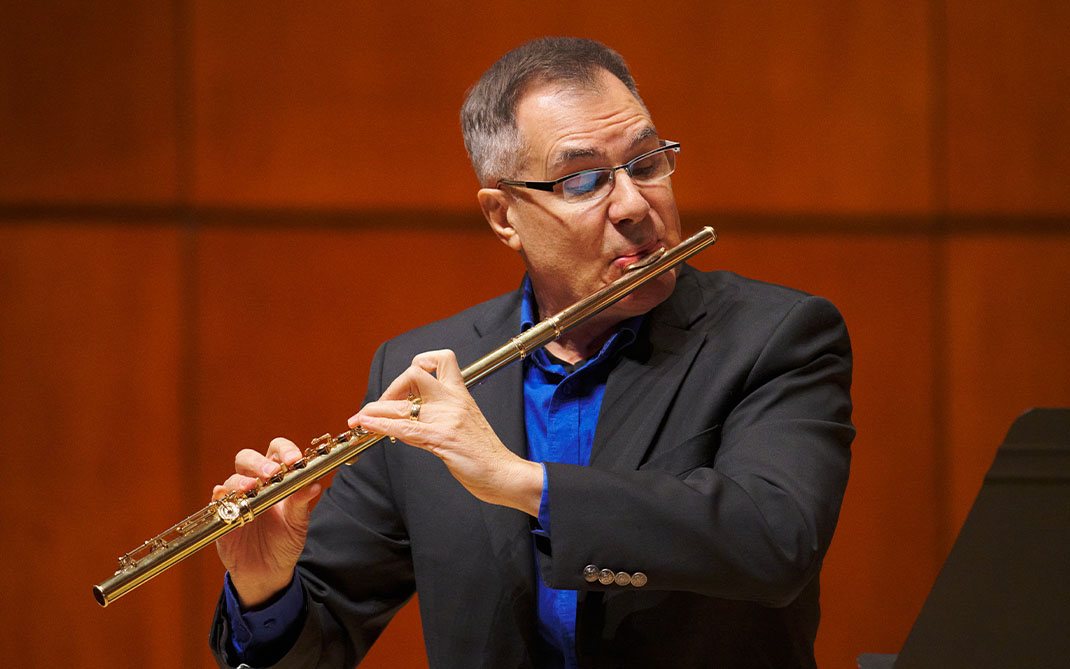
Experience a powerful arc of contrast and transformation as Sergei Prokofiev's music moves concertgoers from shadow into light. Faculty members Ida Bieler, violin; Dmitri Vorobiev, piano; and Tadeu Coelho, flute, trace a compelling emotional journey through two of the famed composer's most expressive chamber works. The program features the Violin Sonata in F minor, Op. 80, and the Flute Sonata in D major, Op. 94. Opening in the shadowed, unsettled world of the Violin Sonata, tension and fragility intertwine in music Prokofiev described as "wind over the graves." The Flute Sonata offers a striking contrast: bright, transparent and serene. Together, the works reveal a composer navigating war, fear and upheaval while still reaching toward beauty and light. The result is a deeply human portrait of resilience expressed through sound.

Discover the dazzling power of the viola in a program that reveals the instrument's full range: restless, lyrical, bold and radiant. New faculty artist Brett Deubner leads an evening that moves from high-contrast modernism to intimate chamber dialogue, including a special commissioned work. The viola shifts constantly -- exposed and unaccompanied, in close conversation with its musical counterparts and expanded by unexpected color and texture. The result is a portrait of an instrument that embraces many identities. Joined by faculty members Ida Bieler, violin; Allison Gagnon, piano; and Ksenija Komljenović, chimes, Deubner highlights both the viola's tradition and its evolving voice on the contemporary stage.
To celebrate the launch of the Thomas S. Kenan Institute for the Arts’ new podcast, “Art Restart,” five remarkable artist leaders from around the country came together for a virtual salon on Thursday, January 14, where they discussed what needs to be reinvented in their artistic fields and how they would go about reinventing it. Watch the “Art Restart: Hindsight 2020” virtual salon below.
The pandemic has laid bare what so many artists already knew: So many of the existing systems for supporting and producing art were outdated or running on fumes long before COVID-19.
The long-overdue national reckoning with systemic racial inequities and injustices has exposed the myriad ways current systems have replicated and maintained exclusionary tactics.
So what’s next? Once life returns to a semblance of normalcy, will artists and artistic institutions return to the status quo or have the events of 2020 presented a unique chance for artists to revolutionize the way they bring their art to their communities?


Murielle Elizéon and Tommy Noonan, dancers/choreographers and co-founders and co-directors of Culture Mill, a performing arts laboratory in Saxapahaw, NC
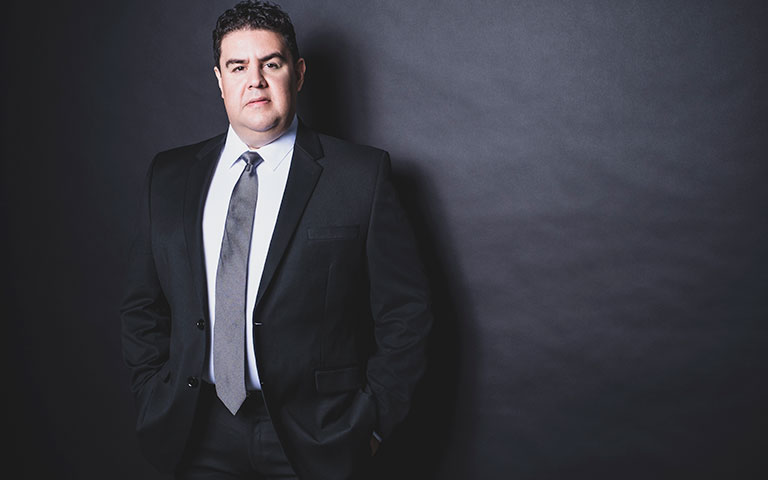
Tito Muñoz, Music Director of the Phoenix Symphony in Phoenix, AZ
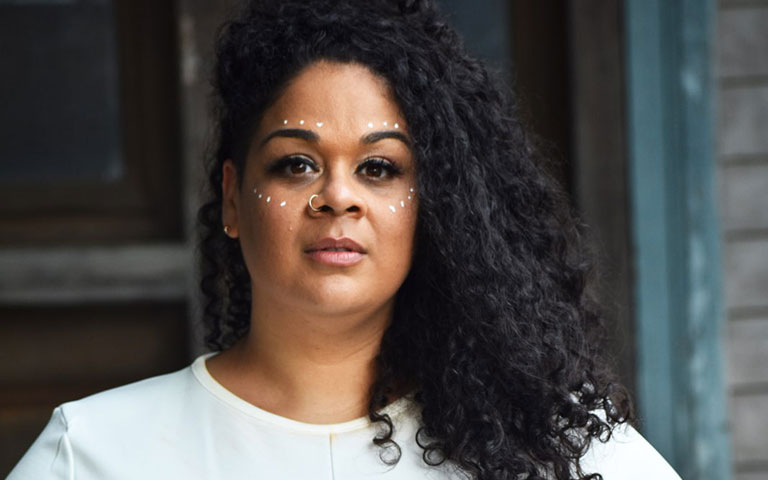

The Thomas S. Kenan Institute for the Arts’ “Artist as Leader” interview series and podcast has proved that artists are among the most nimble and resourceful leaders in our communities. The tumultuous events of the year 2020 made us want to build on this knowledge, while shifting the focus of interviews to more urgently plumb artists’ innate capacity for creative problem-solving. In our new podcast, “Art Restart,” we’ll explore how artists are reinventing their fields and building a new landscape for the arts.
The first season of Art Restart will focus specifically on the lessons of the year 2020.
January 15, 2021