





E-Bike Safety Tips
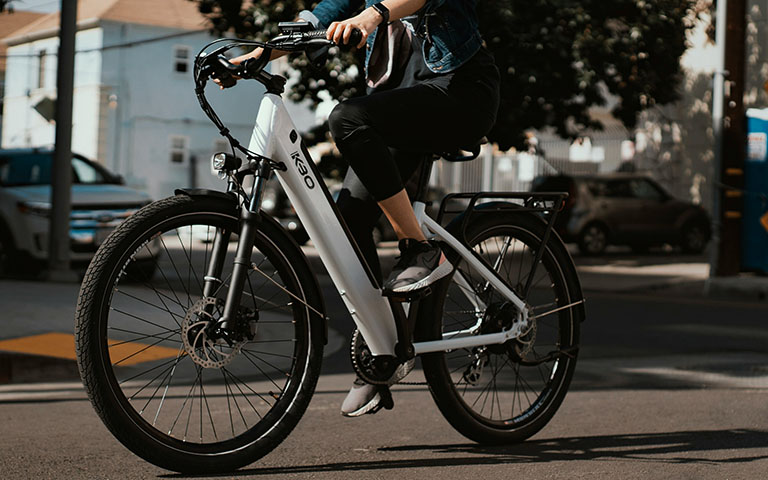 The popularity of electric bikes and electric scooters (e-bikes and e-scooters) has
taken off over the past few years. Lithium-ion batteries are usually the source of
power for both, and if not used correctly, or if damaged, those batteries can catch
on fire or explode.
The popularity of electric bikes and electric scooters (e-bikes and e-scooters) has
taken off over the past few years. Lithium-ion batteries are usually the source of
power for both, and if not used correctly, or if damaged, those batteries can catch
on fire or explode.
Whether you use e-bikes or e-scooters as your main way of getting around, or just for fun, there are important safety tips to keep in mind when charging or storing these devices.
The Problem
- Damaged or defective batteries can over-heat, catch fire, or explode.
- Lithium-ion battery fires give off toxic gases and they burn extremely hot.
Safety Tips
- Only purchase and use devices, batteries, and charging equipment that are listed by a nationally recognized testing lab and labeled accordingly.
- Always follow the instructions from the manufacturer.
- Only use the battery and the charger that were designed for, and came with, the device.
- Do not keep charging the device or device battery after it is fully charged.
- Only charge one device or device battery at a time to prevent overloading the circuit.
- Keep batteries at room temperature when possible. Do not charge them at temperatures below 32°F (0°C) or above 105°F (40°C). Do not store batteries in direct sunlight or inside hot vehicles, and keep them away from children and liquids.
- Store e-bikes, e-scooters, and batteries away from exit doors and anything that can get hot or catch fire.
- Only have device repairs performed by a qualified professional.
- Do not put lithium-ion batteries in the trash. Recycling is always the best option. Take the batteries to a battery recycling location or contact your local waste department for disposal instructions.
Signs of a Problem
- Stop using the e-bike or e-scooter if you notice any of these problems with the battery: unusual odor, change in color, too much heat, change in shape, leaking, smoking, or not keeping a charge.
Learn more at nfpa.org/ebikes.
Contact: Toni Beery
Sept. 17, 2026