Hosted by the University of North Carolina School of the Arts and the Thomas S. Kenan Institute for the Arts, the residency centers on AI and the work of acclaimed choreographer and Martha Graham Dance Company member Xin Ying, in collaboration with Mimi Yin and NUUM Collective. The event will bring together artists, technologists, legal scholars and industry leaders to examine the ethical, legal, technical and creative implications of AI for the arts.

Kick off the UNCSA Symphony Orchestra season with a program of powerful storytelling and musical depth.

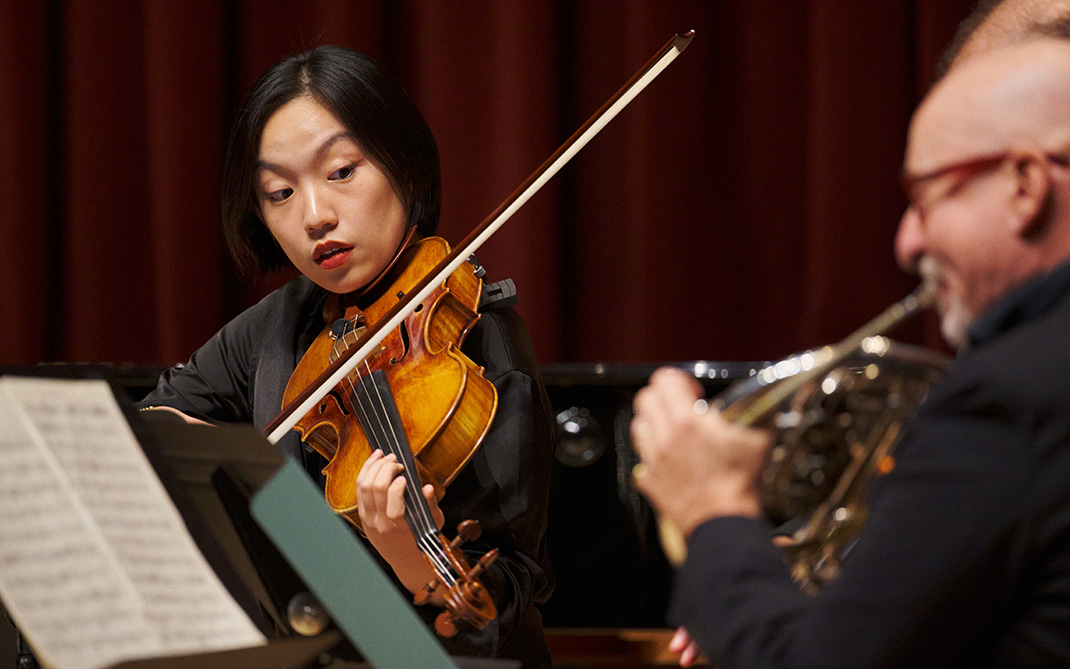
Step into a world where music sparks imagination and storytelling takes shape. The vibrant "Cuentista!" program invites audiences on a journey through colorful landscapes, inviting characters and unforgettable tales - brought to life by the UNCSA Wind Ensemble and Chamber Winds under the direction of Mark Norman.

The past and present collide as the School of Dance opens its performance season with a dynamic exploration of movement across generations. Contemporary dancers take center stage to perform works shaped by shared training, mentorship and creative exchange.

Amid the upheaval of civil war in Congo, Pulitzer Prize-winning "Ruined" follows the formidable Mama Nadi, whose bar becomes a haven for women marked by violence, loss and survival. She must skillfully navigate violent power struggles while protecting those who rely on her courage and cunning.

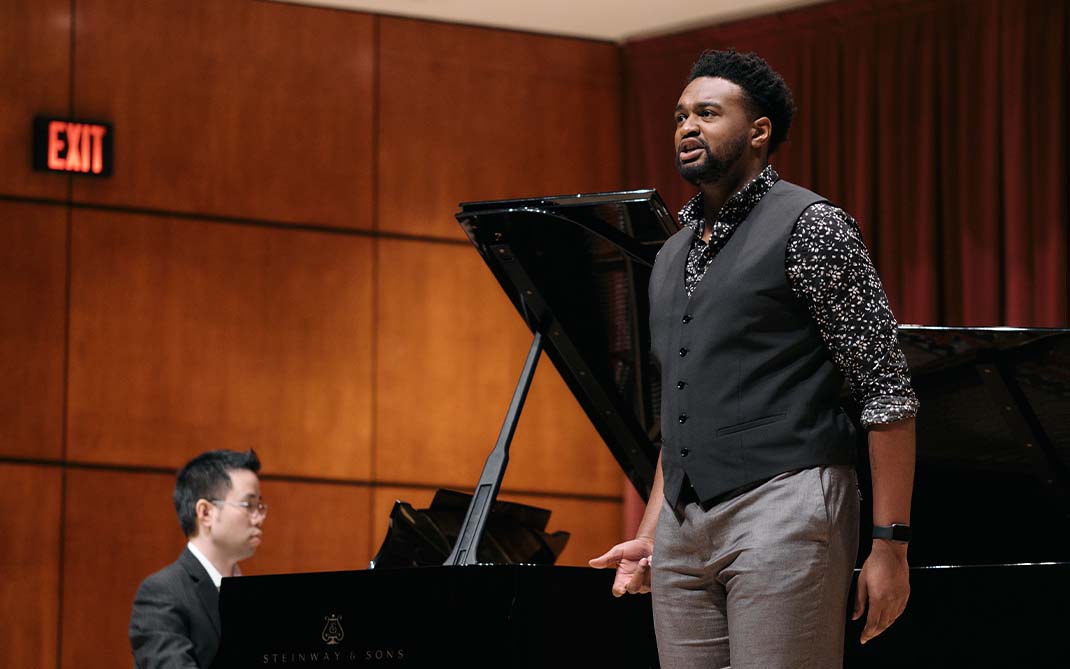
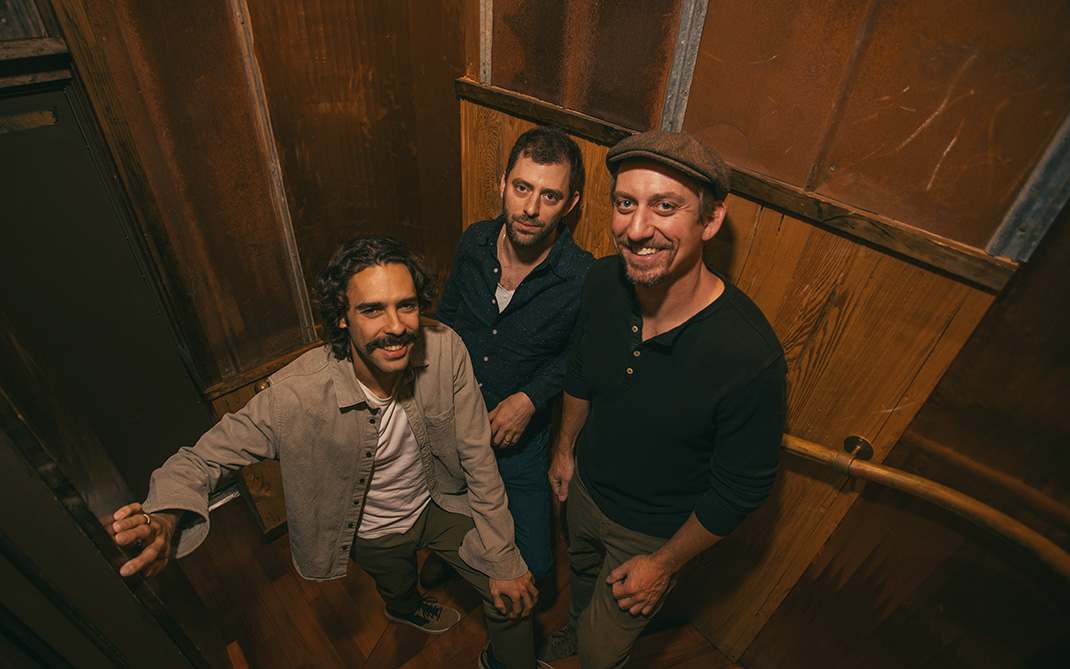
A night of spontaneity, groove and creative risk unfolds as the UNCSA Improvised Music and Jazz Studio presents a smooth showcase of sound. Student performers explore a wide range of jazz and improvised traditions, from structured charts to fully open-ended creation - highlighting individual voice, ensemble listening and real-time musical decision-making.
By Andrew Licht, Wiley Middle School
Last year, my sites for ArtistCorps consisted of reaching kids from grade K through 5th. I have learned many techniques in order to start kids on a string instrument. It is really interesting, and kind of funny, but teaching music is very similar to being a doctor. When I see an issue that a student is having in learning their music, or a technical problem of playing the violin, I have a number of practice solutions to prescribe to them in order for them to reach their goals.
This year, I also serve at a middle school. It is extremely helpful because I am able to see what the teacher expects there, and I am able to learn how to prepare the students at the elementary school better in order to succeed in middle school. The largest problem I see is note reading. Have always believed it was important, but now I am understanding just how important it is. It is crucial for a student to learn how to read music and how it relates to what finger to place down on the violin. If the child can read and understand music, then they are able to be more independent in their practice. This independence is a very important trait to have, not just in music, but with every subject. As a teacher, I am much more strict with students in making sure that they are reading their notes, and learning how to read the music.
August 13, 2020