Here’s a closer look at the meaning behind some of Heckman’s selections.
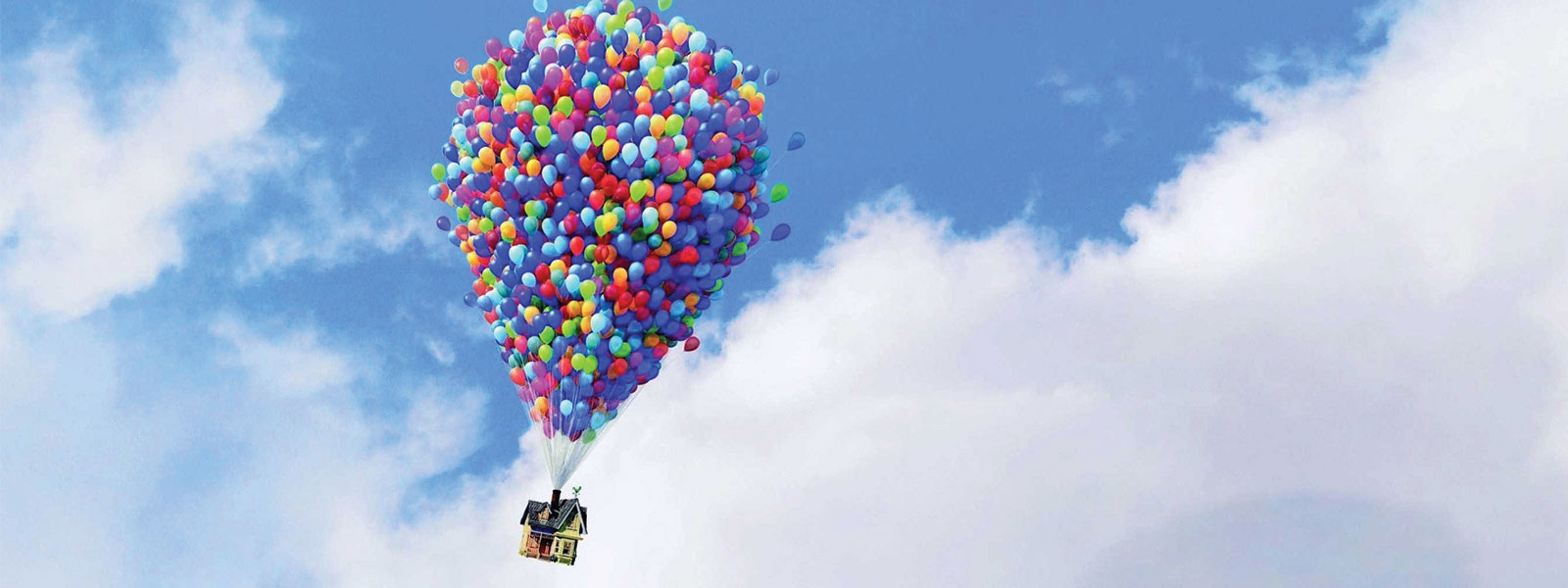
Animation. “2815 A.D.” (Thomas Newman for “WALL-E”) and “Married Life” (Michael Giacchino for “Up”). Part of the reason why Pixar films are so successful is because they challenge
the idea that animated films are produced only for kids. So many of the stories that
Pixar films tell are not afraid to include deep intellectual themes. These two tracks
are perfect examples of the emotional depth that these animated films can portray,
even through non-human characters, such as WALL-E.
Short and impactful. “Blood on the Pavement” (David Arnold and Michael Price for “Sherlock”). This track is the most unexpectedly stunning score I have ever heard on a first
viewing of a film. And even more unexpected is that this comes from a television show. Arnold
and Price composed a piece of tremendous harmonic complexity for the initial “death” of Sherlock Holmes. The end result is a series of dramatic shifts that make the listener
go through a series of emotions in a very short period of time.
John Williams. “Theme from Schindler’s List” (“Schindler’s List”), “Where Dreams are Born” (“A.I.”) and “Anakin’s Betrayal” (“Star Wards Episode III - Revenge of the Sith”). Simply put, John Williams is our greatest and most widely-recognized living composer.
If you stopped a random person in the street today, they might not be able to tell
you who John Williams is, but they probably would recognize his most popular themes.
His theme for “Schindler’s List” may be the most heartbreaking piece of music ever composed to film. And the genius
of the music itself is in how masterfully he channeled Jewish musical history and
culture in the work, and of course the flawlessly emotive violin performance by Itzhak
Perlman.
Cutting room floor. “My Suicide (Dedicated to 3.29.1967)” (Ludovic Bource for “The Artist”) and “Scene d’Amour” (Bernard Herrmann for “Vertigo”). “My Suicide (Dedicated to 3.29.1967)” is the most unusual track on this list, in that it does not actually appear anywhere
in “The Artist.” It was composed for the scene where George Valentin considers committing suicide,
yet it ultimately was left on the cutting room floor in favor of “Scene d’Amour” from “Vertigo.” This ended up being a highly controversial decision, nevertheless the score still
won an Oscar in 2011. If you listen to one after the other, you can certainly hear “Vertigo”’s influence on “The Artist.”
by Hannah Callaway