UNCSA releases new episode of 'The Arts & Everything,' a podcast on the intersection of society and the arts
Guests Jennifer Koh, Christina Soriano and Christina Hugenschmidt join host Chancellor Brian Cole to discuss “The Arts & Your Brain”
UNCSA has released a new episode of its podcast, “The Arts & Everything,” which explores the intersection of society and the arts. Hosted by Chancellor Brian Cole, the podcast examines timely issues shaping the arts and their future through conversations with thought leaders and arts and entertainment industry experts.
The newest episode, “The Arts & Your Brain,” now available on all major podcast platforms, features Cole in conversation with Grammy Award-winning violinist Jennifer Koh, neuroscientist Christina Hugenschmidt, Ph.D., and dance professor Christina Soriano, as they explore how artistic experiences — from playing music to improvisational dance — shape cognition, support memory and enhance overall brain health.
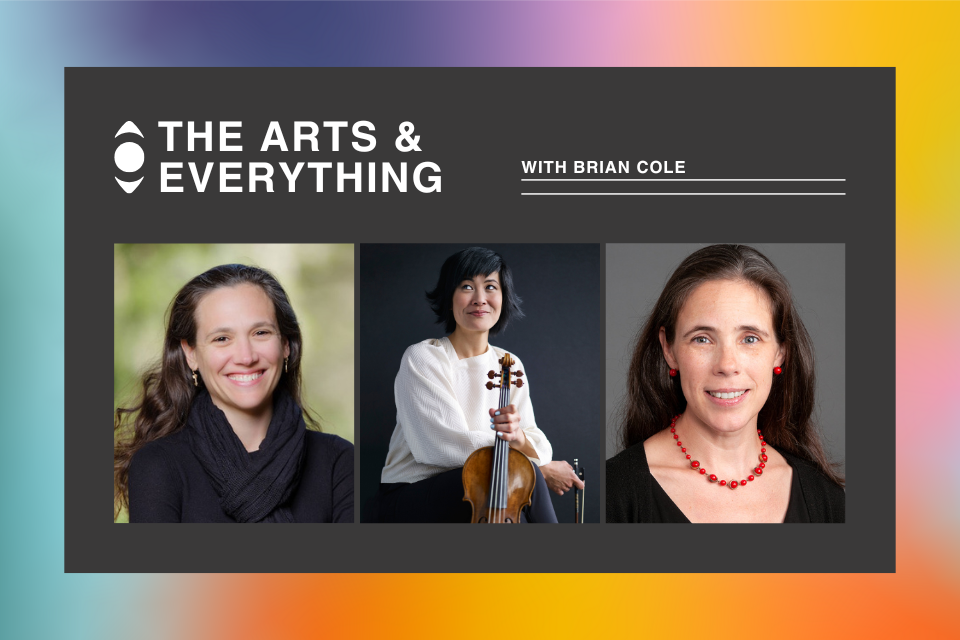
From left to right: Christina Soriano, Jennifer Koh (Photo by Juergen Frank), Christina Hugenschmidt
Jennifer Koh: Music, concussion recovery and the brain
In “The Arts & Your Brain,” violinist Jennifer Koh shares her experience recovering from a severe concussion in 2014, an injury that left her unable to tolerate sound, struggling with memory, and uncertain whether she would ever perform again. Her story, explored in-depth in the episode, describes the emotional and cognitive challenges of healing and the fear of losing her artistic identity.
While serving as an artist-in-residence at Duke University, Koh connected with neuroscientist Tobias Overath through his course Music and the Brain. Together they designed a small study using functional MRI (fMRI) to explore how her brain responded to music during three tasks: imagining herself playing, listening to the music, and silently reading the score.
Koh describes learning that the same motor-planning region of her brain activated
during all three tasks, even when she was not physically playing.
“Music is really embodied,” she says. “Even if you're not moving, your brain is still
in movement, in flow.”
The episode also explores music’s role in memory and identity, including how familiar music can evoke memories in people with Alzheimer’s or other forms of dementia. Koh reflects on how music allows listeners and performers alike to access emotions and experiences not typically reached in daily life.
Wake Forest research: Can dance change the brain?
The conversation then turns to Wake Forest University researchers Christina Hugenschmidt and Christina Soriano, whose 11-year collaboration bridges neuroscience and dance. Their work examines how dance affects fitness, memory and brain health, particularly in older adults experiencing memory or movement challenges. Hugenschmidt explains the difference between structural and functional brain changes and notes that the arts can influence both: “There’s compelling evidence that lifelong musicians and dancers may have subtle differences in their brain structure and function. And we can also see changes in non-experts who participate in arts-based experiences.”
Soriano, who developed the IMPROVment® method used in dance research, describes the cognitive benefits she observes in her classes for both college dancers and older adults. Improvisation, she explains, reduces self-judgment and allows participants to respond authentically in the moment.
“You are always inviting whatever answer they respond with — it's the right answer,” she says. “Improvisation invites scaffolding and multitasking, all things that are really good for the brain.”
Hugenschmidt also discusses her current research, inspired by a question from her mother, who has Alzheimer’s: How often should someone dance to gain cognitive benefits? Their ongoing clinical trial is examining outcomes for adults participating in six months of dance classes one, two or three times weekly, compared with a music appreciation class. The study measures cardiorespiratory fitness, cognition, heart rate, and other factors that influence brain health.
Visit www.uncsa.edu/artsandeverything to listen to “The Arts & Your Brain” and for past and future episodes of the podcast.
About Host Brian Cole
Brian Cole is the ninth chancellor of the University of North Carolina School of the Arts (UNCSA). Since becoming chancellor in 2020, he has led the development and implementation of the university’s strategic plan, “UNCSA Forward,” guiding the institution as it adapts to a transforming arts and entertainment landscape. His initiatives include expanding industry partnerships; launching the university’s mission-driven media publishing arm, UNCSA Media; and elevating campuswide mental health and wellness efforts. Cole has filled key leadership roles, overseen several major capital projects, and is leading the comprehensive $85 million renovation of the university’s performing arts center and learning laboratory, the Stevens Center in downtown Winston-Salem. An experienced conductor, Cole previously served as dean of the School of Music at UNCSA, founding dean of academic affairs at Berklee Valencia, and associate dean of academic affairs at the Puerto Rico Conservatory, and holds degrees from LSU and the University of Illinois.
About “The Arts & Everything”
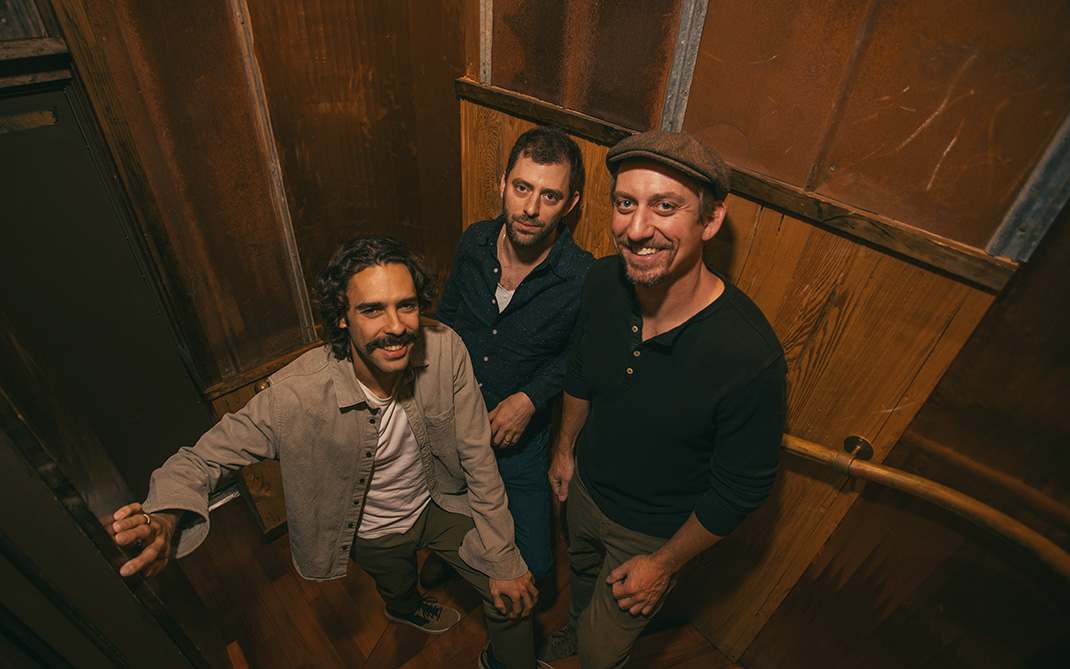
“The Arts & Everything” is a production of UNCSA Media, supported in part by the Thomas S. Kenan Institute for the Arts. “The Arts & Everything” is produced in part by UNCSA alumni and faculty, including School of Design and Production alumna Maria Wurttele. Music was composed by School of Music faculty member and Filmmaking alumnus Chris Heckman and performed by André Vasconcelos, Chris Heckman, and School of Music students Miah K. Cardoza and Gabe Lopez.
Get the best news, performance and alumni stories from UNCSA.
SUBSCRIBE TO OUR NEWSLETTERS(OPENS IN NEW TAB)(OPENS IN NEW TAB)(OPENS IN NEW TAB)(OPENS IN NEW TAB)(OPENS IN NEW TAB)(OPENS IN NEW TAB)(OPENS IN NEW TAB)(OPENS IN NEW TAB)(OPENS IN NEW TAB)(OPENS IN NEW TAB)(OPENS IN NEW TAB)(OPENS IN NEW TAB)(OPENS IN NEW TAB)(OPENS IN NEW TAB)(OPENS IN NEW TAB)(OPENS IN NEW TAB)(OPENS IN NEW TAB)(OPENS IN NEW TAB)(OPENS IN NEW TAB)(OPENS IN NEW TAB)(OPENS IN NEW TAB)(OPENS IN NEW TAB)(OPENS IN NEW TAB)(OPENS IN NEW TAB)(OPENS IN NEW TAB)(OPENS IN NEW TAB)
December 8, 2025