Graduate Pre-screen Requirements and Live Audition Requirements
Graduate Audition Process
- Submit a completed 2027-28 Application with application fee in time for a deadline.
- Upload required Pre-screen Video for faculty review.
- Approved applicants will be contacted to schedule an audition.
Select studio of interest below for information about:
- Pre-screen Video requirements
- Live Audition requirements
- Suggested Graduate Audition Repertoire List
Bassoon
A note from Dr. Patterson:
The strongest auditions demonstrate not only technical proficiency, but also imagination, stylistic awareness, expressive communication, and artistic maturity. Applicants are encouraged to select repertoire that best showcases their musical strengths while demonstrating a variety of styles, periods, and technical demands.
The suggested repertoire lists (below) are representative rather than exhaustive. Comparable substitutions are welcome.
Please contact Dr. Patterson with questions at pattersons@uncsa.edu
Graduate Pre-screen Video Requirements
- Approximately 8-10 minutes total length.
- 2 or more samples from the graduate repertoire list or similar pieces (see below).
- 1 sample must be from the orchestral excerpt list. Comparable substitutions are welcome with prior approval.
- Other sample(s) may be from any of the categories, and it can be a whole movement or parts/sections of a movement. Selected pre-screen pieces should highlight playing in both technical and lyrical styles.
Graduate Live Audition Repertoire
(20-minute audition + 20-minute interview)
- 2 contrasting movements from a standard piece, selected from the Graduate Repertoire list or another comparable work.
- 1 work by an underrepresented (female, BIPOC or other historically ignored demographic) composer that is representative of the applicant's musical and technical abilities.
- 3 contrasting standard orchestral excerpts, can be selected from the Repertoire List.
Substitutions are welcome when they better demonstrate a student's musical and technical strengths.
Graduate Suggested Audition Repertoire
Baroque Works
Vivaldi - Concerti for bassoon and orchestra
Telemann - Sonatas for bassoon or arranged for bassoon
S. Bach - arrangements of cello suites or sonatas
Fasch - Sonata
Galliard - Sonatas
Boismortier - Sonatas
Dard - Sontas
Classical/Romantic/20th Century Concertos
Mozart – Concerto in Bb Major, K. 191
Hummel - Grand Concerto in F Major
Weber - Concerto
Weber- Andante and Hungarian Rondo
Tower - Red Maple
Zwilich - Concerto
Bassoon and Piano
Saint-saëns – Sonata
Hindemith – Sonata
Bourdeau – Premier Solo
Bozza – Recit, Sicilienne et Rondo
Schreck – Sonata
Larsen – Concertpiece
Moller - Translations
Devienne - Sonatas
Tania León: Mosaicos or Pinceladas
José Siqueira - Three Etudes for bassoon and piano
William Grant Still - Three songs
Solo Bassoon
Brandon – Colored Stones
Hailstork - Bassoon Set
Bland - For Bassoon
Gyring - Arabesque
Li - Legend of the Sea
Ko - Tilt
Larsen - Jazz Variations
Orchestral Excerpts
Applicants are encouraged to prepare three or more standard orchestral excerpts, such
as:
Stravinsky – The Rite of Spring
Ravel - Bolero
Berlioz - Symphonie Fantastique
Price - Symphony No. 1
Beethoven – Symphony No. 4
Tchaikovsky – Symphony No. 4
Ravel – Piano Concerto
Mozart – Marriage of Fígaro Overture
Please contact bassoon professor Stephanie Patterson at pattersons@uncsa.edu if there are questions about the audition process or requirements.
Cello
Graduate Live Audition Requirements
(10 audition, 5-minute interview)
- A major movement of a 19th or 20th century concerto, memorization required.
- A Prelude and one other contrasting movement from Bach Suite, memorization required.
- An étude, caprice or other virtuosic work of the applicant’s choice.
- One work of interest to the applicant written after 1940.
Graduate Suggested Audition Repertoire
The following examples demonstrate the level of difficulty expected for graduate admission. Applicant may prepare other works of similar or greater difficulty.
Category 1: 19th or 20th Century Concertos
Haydn (D)
Boccherini
Saint-Saens
Lalo
Elgar
Bloch (Schelomo)
Schumann
Tchaikovsky
Dvorak
Shostakovich
Prokofiev
Category 2
Bach Cello Suites
Category 3: Etudes/Caprices/Other Works
Etudes
Popper
Greutzmacher
Caprices
Piatti
Dall'Abaco
Other Works
Tchaikovsky Pezzo
Ligeti Sonata mvt. 2
Popper Elfentanz
Elgar Concerto mvt 2
Category 4: Works After 1940 (examples)
Casarrubios
Crumb
León
Wancko
Sollima
Sessions
Graduate Pre-screen Video Requirements
(Pre-screen Videos should be submitted as soon as possible)
- The Graduate Cello program invites candidates to audition based on a required Pre-screen Video.
- Pre-screen Video must include single movements from Categories 1 and 2 in the Graduate Live Audition Requirements (above), and a selection from one of the other categories.
Please contact cello professor Brooks Whitehouse at whitehouseb@uncsa.edu if there are questions about the audition process or requirements.
Clarinet
A note from Dr. Espina Ruiz
The suggested repertoire lists below are representative rather than exhaustive. Comparable substitutions are welcome with previous approval by Dr. Espina Ruiz. Be sure to present contrasting styles that best feature your strengths. Demonstrating a strong foundation is key: a consistent tone quality across all registers, a controlled and nuanced sound production, smooth legato technique, clear and smooth tonguing across registers; can perform consistently in tune, and can consistently and rapidly adjust intonation in performance when necessary; can perform consistently all major and minor scales legato, stepwise and in thirds, as well as arpeggios; can sightread proficiently; performs projecting a good understanding of the main style of interpretation in each piece (Baroque, Classical, Romantic and Contemporary, possibly including some extended techniques); takes an active role in avoiding racial inequality in music by learning about and performing excellent works by BIPOC and under-represented composers.
Please contact Dr. Espina Ruiz with questions at espina-ruizo@uncsa.edu.
Graduate Pre-screen Video Requirements
- 8-10 minutes total in length.
- 2 selections of contrasting styles from the Graduate Suggested Repertoire (below). Selections may be a whole movement or a significant section of a movement.
- 1 or more selections from the Graduate Suggested Orchestral Excerpts (below). Comparable substitutions are welcome with prior approval.
- 1 selection from the Graduate Suggested Unaccompanied Repertoire (below). Selections may be a whole movement or a significant section.
Graduate Live Audition Repertoire
(15-minute audition, 15-minute interview)
Comparable substitutions are welcome, with prior approval.
- Mozart Clarinet Concerto, mvt. I, exposition
- Stravinsky Three Pieces mvts. II and III.
- 2 selections of contrasting styles from the Graduate Suggested Repertoire and/or the Graduate Suggested Unaccompanied Repertoire. Selections may be a whole movement or a significant section of a movement.
- 1 or more excerpts from the Graduate Orchestral Excerpts (below).
- Sight reading.
Graduate Suggested Repertoire
Copland Concerto
Mozart Concerto
Nielsen Concerto
Weber Concerto No. 1 or 2
Coleman Sonatina
Debussy Premère Rhapsodie
Menéndez Introducción, Andante y Danza
Rossini Intro., Theme and Variations
Saint-Saëns Sonata
Schumann Fantasiestücke Op. 73
Graduate Suggested Unaccompanied Repertoire
Mantovani Bug
Messiaen Abyss of the Birds (mvt. III from the Quartet for the End of Time)
Rozsa Sonatina Op. 27
Saariaho Duft
Sierra Cinco Bocetos
Stravinsky Three Pieces
Graduate Suggested Orchestral Excerpts
Beethoven Symphony No. 6, mvt. I, solo starting 2 measures before letter “K.”
Beethoven Symphony No. 8, mvt. III, Trio (all)
Kodaly Dances of Galanta (solo in Lento and into Andante maestoso)
Mendelssohn Scherzo from Midsummer Night’s Dream (solos in Allegro vivace, including
solo with trills)
Please contact clarinet professor Oskar Espina-Ruiz at espina-ruizo@uncsa.edu if there are questions about the audition process or requirements.
Collaborative Piano
A note from Dr. Gagnon:
Candidates for the MM, GAC and PAC programs in Collaborative Piano enter the application process with a wide range of experience, in both vocal and instrumental repertoire. As a result, applicants should schedule a conversation with the Chair of Collaborative Piano, Dr. Allison Gagnon, (gagnona@uncsa.edu) as the application process begins. Candidates should also be prepared to share a current list of their collaborative repertoire and a resume of their studies and experience at that time.
Additionally, PAC candidates are advised to speak with Dr. Gagnon to discover the opportunities provided in this unique certificate program, and to understand their role in designing the PAC project that is central to the curriculum.
For reference, curriculum models for all three programs may be found on the following pages of the Graduate Bulletin 2026-2027:
- Master of Music: p. 88
- Graduate Arts Certificate in Performance, p. 83
- Professional Artist Certificate, p. 84
- School of Music course descriptions, p. 110 - 120
Please contact Dr. Allison Gagnon with questions at gagnona@uncsa.edu.
Graduate Pre-screen Video Requirements
- A short video or set of videos (10-15 minutes total), showing pianistic and collaborative skill set.
- Must have been recorded within the last 12 months.
- Applicants are encouraged to select repertoire and partners that showcase as much variety as possible.
Graduate Live Audition and Repertoire
Each applicant should prepare for the following audition elements. See the notes in
Graduate Suggested Repertoire below:
- 3 contrasting selections to be performed with a vocal partner.
- 2 contrasting selections to be performed with an instrumental partner.
- 1 selection for piano solo.
- 1 quick study selection, which will be provided 24-48 hours in advance. This is performed in the audition with a partner, but without rehearsal.
- Sight reading without a partner.
Graduate Suggested Repertoire
- Applicants are required to discuss and confirm collaborative repertoire with Dr. Gagnon in advance, to ensure partner availability.
- Applicants should aim to include selections written originally for piano, as well as selections whose piano part is a reduction from the orchestral score.
Additional information
- Applicants will have rehearsal time with their on-site partners (except for the Quick Study selection).
- Applicants are invited to plan their campus visit to include a lesson/conversation with Dr. Gagnon and/or observation of classes.
For questions about the audition process or requirements at any time, please contact Dr. Gagnon.
Composition
Graduate Pre-screen Requirements
- Pre-screen Video recordings are not required for Composition applicants.
- Upload 3 original compositions to a submitted application with fully notated scores.
- If available, upload recordings of the submitted compositions. Recordings may be of live musicians or using MIDI.
Candidates selected to advance based on the submitted prescreen materials are invited by faculty to schedule a live interview on the UNCSA campus. Interview dates can be found on the School of Music Admissions page.
Graduate Live Audition Requirements
(15-minute interview)
- Applicants should be prepared to speak about their musical background plus compositional interests and influences.
- The interview is also an appropriate time for applicants to ask questions about the Composition program.
- Composition applicants are not required to audition on an instrument.
Please contact composition professors Jared Miller at millerja@uncsa.edu or Lawrence Dillon at dillonl@uncsa.edu if there are questions about the audition process or requirements.
Composition for Film and Visual Media
A note from Dr. Heckman:
The first part of the application process is the submission of a composition portfolio. Submissions may include, but are not limited to, music for film and visual media, concert music, and/or original songs. An ideal candidate’s portfolio will demonstrate a unique passion for storytelling through original music, whether conveying a message or idea, portraying an emotion or feeling, or enhancing a visual narrative through sound. The final part of the application process is a virtual or in-person interview. The interview consists of a brief conversation about your music, along with a discussion of your knowledge of, interest in, and goals related to music for film and visual media.
Program Prerequisites
Qualified applicants must have an undergraduate degree, preferably with a concentration or major in music or music composition. Applicants with undergraduate degrees in fields other than music may still apply but will be required to take written and aural proficiency exams in musicianship and music history.
Other Requirements
Applicants must be able to engage effectively with the musical, visual, technological, and collaborative aspects of the program. Applicants must also be able to communicate effectively in English, both verbally and in writing, including for academic coursework.
Graduate Pre-screen Requirements: Composition Portfolio
A portfolio of 3 to 5 original compositions, preferably demonstrating proficiency in musical storytelling and contrasting musical styles. Portfolio materials may be submitted in the following formats, as applicable: video clips with original music (MP4 preferred), live or MIDI audio recordings (M4A preferred), and accompanying musical scores in PDF format.
Graduate Live Audition Requirements: Faculty Interview
Applicants selected to advance based on the submitted pre-screen materials will be contacted by faculty to schedule either a virtual or an on-campus, in-person interview. Interviews typically last 30-60 minutes.
Please contact Composition for Film and Visual Media professor Dr. Chris Heckman at heckmanc@uncsa.edu if there are questions about the audition process or requirements.
Conducting
The Conducting program at UNCSA awards a Performing Artist Certificate (PAC).
Minimum Prerequisites and Professional Experience Requirements
- Completed master's degree in the field of Music (MME, MM, DMA, DME, PHD)
- 2 years conducting experience
Pre-screen Video Requirements
- 2 Pre-screen Videos required.
- Videos taken facing the conductor, from behind the ensemble with a full view of the candidate's conducting technique from the ensemble's perspective.
- 10-15 minute video of a rehearsal (or rehearsals) demonstrating the candidate’s conducting and rehearsal technique, as well as the connection between the music and the performers.
- 10–15 minutes of a performance (or performances) demonstrating the candidate’s artistry and leadership of the ensemble.
- The level and skill of the ensemble itself isn’t as important as what is accomplished in the rehearsal(s) and the performance(s).
- Note: The level or skill of the ensemble itself is less important than what is accomplished in the rehearsal(s) and performance(s).
Live Audition Requirements
Candidates selected to advance based on the pre-screen will be invited to audition/interview and offered a selection of dates from the UNCSA Large Ensembles’ schedules.
- Invited candidates will be provided Audition Repertoire in advance.
- Conduct and rehearse a large ensemble at UNCSA using the provided repertoire.
- Conduct and rehearse the UNCSA Chamber Winds using the provided repertoire.
- Meet with Dr. Norman to discuss the Conducting program.
Please contact conducting professor Dr. Mark Norman at normanm@uncsa.edu if there are questions about the audition process or requirements.
Double Bass
A note from Professor Sharpe:
The strongest auditions demonstrate not only technical proficiency, but also imagination,
stylistic awareness, expressive communication and artistic maturity. Applicant is
encouraged to select repertoire that best showcases musical strengths while demonstrating
a variety of styles, periods, and technical demands.
The suggested repertoire lists below are representative rather than exhaustive. Comparable
substitutions are welcome.
Contact Professor Sharpe with questions at sharpep@uncsa.edu.
Graduate Pre-screen Video Requirements
Choose one of the following options:
- Option 1: One movement of a standard double bass concerto from the Undergraduate Suggested Audition Repertoire List below, or
- Option 2: One etude from any of the etude books in the Undergraduate Suggested Audition Repertoire List
Graduate Live Audition Requirements
(15-minute audition, 5-minute interview)
- 1 movement of a standard double bass concerto from the Undergraduate Suggested Audition Repertoire list below
- 2 standard double bass excerpts from the Undergraduate Suggested Audition Repertoire list
- Choose one of the following:
- 1 or 2 movements from a Baroque sonata by Vivaldi, Marcello, Scarlatti, or Handel, or
- 1 movement from a Bach Cello Suite, or
- 1 etude from the Etude Books in the Undergraduate Suggested Audition Repertoire list
Graduate Suggested Audition Repertoire Lists
Standard Double Bass Concertos
Capuzzi
Dragonetti
Dittersdorf
Koussevitzsky
Vanhal
Bottesini
Martín
Baroque Sonatas
Vivaldi
Marcello
Scarlatti
Handel
Bach Cello Suites
Etude Books
Storch-Hrabe, 57 Studies, Bk. 1 or Bk. 2 (International)
Simandl, 30 Etudes (International)
Simandl, New Method, Vols. 1 or 2 (Carl Fischer or International)
Orchestral Excerpts
Beethoven, Symphony No. 5, III. Scherzo and Trio, m. 1-100; m. 140-183
Wagner, Meistersinger Overture, m. 158-222
Beethoven, Symphony No. 9, IV. Recitative, m. 8-90
Mahler, Symphony No. 1, III. Feierlich und gemessen, m. 1-10
Please contact double bass professor Paul Sharpe at sharpep@uncsa.edu if there are questions about the audition process or requirements.
Euphonium
A note from Dr. Harvey:
The suggested repertoire lists below are representative rather than exhaustive. Comparable substitutions are welcome. Also, I would love to talk to you about what you are working on! Please do not hesitate to contact me.
Contact Brent Harvey with questions at harveyb@uncsa.edu.
Graduate Pre-screen Video Requirements
(Please refer to the Suggested Repertoire List below.)
A single, uninterrupted pre-screen video that includes:
- 2 Scales (One Major and One Minor)
- 1 Standard Etude
- 1 Standard Solo, or single movement from multi-movement solo work
- 2 Standard Excerpts (one orchestral and one band)
Graduate Live Audition Requirements
(Please refer to the Suggested Repertoire list below.)
- 2 Scales (One Major and One Minor)
- 1 Standard Etude
- 1 Standard Solo (or single movement from multi-movement solo work)
- 2 Standard Excerpts (one orchestral and one band)
Graduate Suggested Repertoire
The suggested repertoire lists below are representative rather than exhaustive. Comparable
substitutions are welcome.
Etudes
Marco Bordogni/Joannes Rochut – Melodious Etudes
Kevin Day – 25 Advanced Studies for Euphonium
H.W. Tyrell – 40 Progressive Studies
Solos
Gordon Jacob – Fantasia
Joseph Horovitz – Euphonium Concerto
G.P. Telemann/Raph – Twelve Fantasies
Excerpts
Percy Grainger – Lincolnshire Posey
John Philip Sousa – Fairest of the Fair
Richard Strauss – Ein Heldenleben
Flute
A note from Dr. Coelho:
The strongest auditions demonstrate not only technical proficiency, but also imagination,
stylistic awareness, expressive communication and artistic maturity. Applicant is
encouraged to select repertoire that best showcases musical strengths while demonstrating
a variety of styles, periods, and technical demands.
The suggested repertoire lists below are representative rather than exhaustive. Comparable
substitutions are welcome.
Contact Dr. Coelho with questions at coelhot@uncsa.edu.
Graduate Pre-screen Video Requirements
A single, uninterrupted video that includes:
- 8-10 minutes total in length.
- 2 or more selections from the Graduate Suggested Repertoire Lists (see below).
- 1 selection from the Orchestral Excerpts list. Comparable substitutions are welcome with prior approval.
- Other selection(s) may be from any of the other repertoire lists (Sonatas, Concertos, Solo, BIPOC, or Excerpts). Selection(s) may be a whole movement or parts/sections of a movement.
Graduate Live Audition and Repertoire
(15-minute audition, 20-minute interview)
- 2 contrasting movements from a J.S. Bach sonata or another sonata selected from the Graduate Suggested Repertoire Lists.
- First movement of a Mozart Concerto in G Major (K. 313) or D Major (K. 314), including the cadenza.
- 1 work by a BIPOC composer that is representative of applicant's musical and technical abilities.
- 3 contrasting standard orchestral excerpts selected from the Graduate Suggested Repertoire lists.
Applicant may substitute material to better demonstrate musical and technical strengths. Contact Dr. Coelho for with questions.
Graduate Suggested Audition Repertoire
Baroque Sonatas
J.S. Bach – Sonata in B minor, BWV 1030
J.S. Bach – Sonata in E Minor, BWV 1034
Handel – Sonata in A minor
Handel – Sonata in G Major
Classical/Romantic/20th Century Concertos
Mozart – Concerto in G Major, K. 313
Mozart – Concerto in D Major, K. 314
Nielsen – Concerto
Ibert – Concerto
Flute and Piano
Prokofiev – Sonata
Hindemith – Sonata
Reinecke – Sonata "Undine"
Poulenc – Sonata
Martinů – First Sonata
Liebermann – Sonata
Solo Flute
C.P.E. Bach – Sonata in A minor
Debussy – Syrinx
Berio – Sequenza I
Fukushima – Mei
Jolivet – Cinq Incantations
Suggested BIPOC Composers
Valerie Coleman: Danza de la Mariposa
Osvaldo Lacerda: Poemeto
Tania León: Alma
Camargo Guarnieri: Sonatina
Florence Price: Adoration
Samuel Coleridge-Taylor: Lament
José Siqueira: Three Etudes for Flute and Piano
William Grant Still: Summerland
Adolphus Hailstork: Yuhwa or Flute Set
Carlos Simon: Move It
Jeffrey Mumford: an evolving romance
Allison Loggins-Hull: Homeland
Orchestral Excerpts
Applicant encouraged to prepare 3 or more standard orchestral excerpts. Suggested
excerpts include:
Beethoven – Leonore Overture No. 3
Mendelssohn – A Midsummer Night's Dream (Scherzo)
Sain-Saens - Carnival of the Animals
Brahms – Symphony No. 4
Dvořák – Symphony No. 8
Ravel – Daphnis et Chloé
Debussy – Prélude à l'après-midi d'un faune
Please contact flute professor Dr. Tadeu Coelho at coelhot@uncsa.edu if there are questions about the audition process or requirements.
Guitar
Graduate Pre-screen Video Requirements
- A single Pre-screen Video file of approximately 10-20 minutes in length. Applicants are not to upload multiple files.
- A single-take recording of the entire submission is not expected. A Pre-screen Video compiled from complete selections from different recording sessions or performances is acceptable.
- Include at least 3 contrasting selections, each performed in its entirety. Complete movements from multi-movement works are acceptable.
- Include at least 2 works written for solo guitar.
-
Additional selections may feature ensemble performance, collaborative music-making, improvisation, or other musical contexts that reflect your artistic interests and experience.
-
Applicants are advised to include repertoire in their Pre-screen Video that demonstrates the breadth and depth of their musicianship while also showcasing:
-
A variety of musical styles
-
Technical demands
-
Expressive approaches, including highly lyrical and melodic playing
-
Demonstrate rhythmic vitality, contrapuntal textures, and technical fluency
-
- Live auditions are a recital-style performance.
- Prepare a proposed program of approximately 30 minutes.
- The guitar faculty selects which pieces from the proposed repertoire the applicant will perform.
- The majority of the proposed program should consist of contrasting substantial concert works for solo guitar.
- Sight-reading standard notation.
- Chordal accompaniment from lead sheets.
- Demonstrations of the following technical skills:
- Scales
- Arpeggios
- Slurs
- Related technical exercises
- Applicants are welcome to include in their 30-minute proposed program:
- Original compositions
- Improvisation
- Other performances that reflect their artistic interests and musical strengths
- Selections should demonstrate:
- Technical abilities
- Interpretive abilities
- Overall performance abilities
- Selections may be in any musical style and may include:
- Solo guitar works
- Works performed in ensemble settings
- Videos of selections studied and performed by guitar students are available for review on the UNCSA Guitar Student Recital Sampler.
Please contact guitar professor Joseph Pecoraro at pecorj@uncsa.edu if there are questions about the audition process or requirements.
Harp
Graduate Pre-screen Video Requirements
- Submit a pre-screen video of at least 2 contrasting compositions.
- The recording should be no more than 20 minutes in length
- All compositions must be performed from memory.
- The repertoire list serves as a guide for the general level of accomplishment.
- Choose at least 2 selections from the repertoire list.
Graduate Live Audition Requirements
- Prepare a 30-minute solo program featuring contrasting solos.
- All solos must be performed from memory.
- Include verbal delivery of program notes.
- The performance will be followed by an interview.
- Choose at least 2 solos from the repertoire list.
- The repertoire list serves as a guide for the general level of accomplishment.
Graduate Pre-screen and Live Audition Repertoire
Hindemith, Sonata
Salzedo, Whirlwind
Bach, Piece en Sol
Godefroid, Étude de Concert
Tailleferre, Sonata
Rota, Sarabanda et Toccata
Guridi, Viejo Zortzico
Mozart, Flute and Harp Concerto
Please contact harp professor Jacquelyn Bartlett at bartlettj@uncsa.edu if there are questions about the audition process or requirements.
Horn
- 2 contrasting orchestral excerpts of the applicant's choice from the Suggested Audition Repertoire list (below).
- 1 movement from standard solo concerto (Mozart, Strauss, etc.).
-
1 movement or work of contrasting style.
- 3 to 5 standard orchestral excerpts of the applicant's choice from the Suggested Audition Repertoire list (below).
- Applicants might be asked to sight read.
Please contact horn professor Dr. Maria Serkin at serkinm@uncsa.edu if there are questions about the audition process or requirements.
Oboe
A note from Dr. Messing:
The strongest auditions demonstrate not only technical proficiency, but also imagination,
stylistic awareness, expressive communication and artistic maturity. Applicant is
encouraged to select repertoire that best showcases musical strengths while demonstrating
a variety of styles, periods, and technical demands.
The suggested repertoire lists below are representative rather than exhaustive. Comparable
substitutions are welcome.
Contact Dr. Messing with questions at messingr@uncsa.edu.
Graduate Pre-screen Video Requirements
- 8-10 minutes total in length.
- 2 contrasting orchestral excerpts.
- Movement from sonata or concerto that best displays your musicality and technical skills. Piano accompaniment is preferred.
Graduate Live Audition and Repertoire
(15-minute audition, 20-minute interview)
- Piano accompaniment is not required.
- A minimum of 3 contrasting standard orchestral excerpts.
- 1 movement from a Baroque or Classical sonata or concerto, and 2 contrasting movements
from Romantic, or Contemporary repertoire. Total of 3 movements prepared.
- It is recommended that at least 1 movement be from a piece written by a composer from a diverse, underrepresented group.
Applicant may substitute material to better demonstrate musical and technical strengths. Contact Dr. Messing with questions.
Graduate Suggested Audition Repertoire
Bach, Sonata in G minor 1020
Bach, Sonata in G minor 1030 b
Berio, Sequenza VII
Bozza, Fantasie Pastorale
Brandon, Bird Song
Britten, Six Metamorphoses after Ovid
Britten, Temporal Variations
Carter, Pastorale (English horn)
Colin, Solo de Concours #2
Donizetti, Concertino (English horn)
Dorati, Duo Concertante
Dorati, Cinq Pieces
Dring, Three Piece Suite
Dutilleux, Sonata
Ewazen, Down a River of Time
Ferlendis, Concerto #1 and 2
Finzi, Interlude also available for oboe and string quartet
Françaix, L'Horlage de Flore
Geminiani, Sonata in E Minor
Higdon, Oboe Concerto
Hummel, Introduction, Theme and Variations
Jacob Gordon, Concerto
Grovlez, Sarabande et Allegro
Hindemith, Sonata (English horn)
Jacob, Sonata
Jolivet, Chant for piroguiers
Kalliwoda, Concertino, Op. 110
Kalliwoda, Morceau de Salon Op. 228
Marais, Les Folies d’Espagne
Martinu, Concerto
Morris, Chrysalis
Mozart, Concerto
Mozart, Oboe Quartet
Paladilhe, Solo de Concours
Pasculli, Concerto (La favorita)
Pasculli, Le Api
Piazzolla, Tango Etudes
Ponchielli Capriccio
Poulenc, Sonata
Ravel, Sonatine
Rubbra, Sonata in C Major, Op.100
Saint-Saëns, Sonata
Schumann, Clara, Three Romances Op. 22
Robert Schumann, Adagio and Allegro
Shinohara Obsession
Strauss, Concerto
Telemann, 12 Methodical Sonatas
Telemann, 6 Partitas
Tomasi, Evocations
Silvestrini, Six Etudes
Siqueira, Drei Etuden
Strauss, Concerto
Vaughan Williams, Concerto
Yun Piri (very advanced extended techniques)
Zwillich, Concerto
Please contact oboe professor Dr. Rachel Messing at messingr@uncsa.edu at if there are questions about the audition process or requirements.
Organ
Graduate Pre-screen Video Requirements
- 8-10 minutes in length.
- Include excerpts from two different styles of pieces (e.g., 1 Baroque prelude or fugue and a Romantic lyrical movement or, a lyrical baroque chorale prelude and a virtuosic Romantic movement) and 1 stanza of a hymn played with no elaborations.
- Pre-screen Video must show complete body (head to feet).
- Pre-screen Video may be recorded with a phone in portrait mode.
Graduate Live Audition Requirements
- A major free work by J.S. Bach (The trio sonatas are acceptable).
- A composition or movement from the Romantic period.
- A composition or movement from either the 20th or 21st century.
- A hymn played as if leading a congregation that includes creative introduction and 2 stanzas (one without any embellishments).
- Sight reading of a hymn with no mistakes, consistent tempo and basic improvisation (passing tones, suspensions, Alto/Soprano inversion, etc.)
- All Major and Minor scales, at least two octaves in 1/16 notes with quarter = 90 or faster.
Graduate Live Audition Suggested Repertoire
The suggested repertoire lists below are representative rather than exhaustive. Comparable
substitutions are welcome.
Bach Free Works
BWV 535, 541, 542, 543, 544, 545, 546, 547, 548, 552, or 564
Bach Trio Sonatas
All acceptable
Bach
Chorale Preludes, any from Leipzig Chorales
Schübler Chorales (excluding BWV 645)
Clavierübung III pedaliter
North German Free Works
Buxtehude, BuxWV 141, 142, 146, 149, or 151
Böhm, Praeludium in C Major
Lübeck, Praeludium in E Major
Italian
Frescobaldi, Elevation Toccata
Rossi, Toccata Settima
French Baroque
Couperin, Movements from Mass for the Parishes
Grigny, movements from Veni Creator
English Baroque
Purcell, Voluntary for Double Organ
Romantic Era
Mendelssohn Sonatas (any)
Brahms, Chorale Preludes (any)
Reger, Introduction & Passacaglia
Reger, Toccata in D Minor, Op. 59, No. 5
Rheinberger, Sonata No. 4, Op. 98
Karg-Elert, Trois Impressions, Op. 72
Franck, Prelude, Fugue, and Variation
Franck, Prière
Franck, Choral I (E Major) or II (B Minor)
Widor, Symphony V or VI (any movement)
Widor, Symphonie Gothique (Andante Sostenuto)
Vierne, Symphony I (finale)
Vierne, Symphony III (mvt. I)
Vierne, Symphony II or V (any movement)
20th or 21st Century
Calvin Hampton, Five Dances for Organ
Ives, Variations on America
Pamela Decker, Tango Toccata for Organ
Florence Price, Sonata I or Suite (any movements)
William Grant Still, Reverie
Ned Rorem, The Quaker Reader (A Secret Power; The World of Silence)
David Conte, Soliloquy or Toccata & Pastorale
Margaret Sandresky, L’homme armé Mass; Prelude, Aria, Finale
Rachel Laurin, Symphony I (any movement)
Kerensa Briggs, Prelude on Pange Lingua
Howells, Rhapsody I or III
Simon Preston, Alleluyas
Langlais, Suite Médiévale (any movement)
Duruflé, Variations on Veni Creator
Duruflé, Prelude & Fugue on Alain
Messiaen, Transport de joie (Outburst of Joy) from L’Ascension
Messiaen, Dieu parmi nous (God Among Us) from La Nativité
Dupré, Variations on a Noel
Dupré, Prelude and Fugue in B Major or G Minor
Litaize, Prélude et Danse fugée
Hindemith, Sonata I or II
Please contact organ professor Timothy Olsen at olsent@uncsa.edu if there are questions about the audition process or requirements.
Percussion
Graduate Pre-screen Video Requirements
Applicants must upload a video demonstrating their playing abilities. The recording should meet the following requirements:
- 10-15 minutes in length.
- Demonstrate a broad range of technical and musical abilities.
- All pre-screen videos should be recent (within the past year).
- Thoughtfully recorded smartphone videos and professional recordings are both acceptable.
- Consist of multiple recordings highlighting the applicant’s strongest performances.
- Include solo repertoire and concerto performances (when applicable).
- Include short performances demonstrating skills playing:
- Concert snare drum and/or rudimental snare drum
- Timpani
- A keyboard percussion instrument (4-mallet)
- Optional (not required to be included in a Pre-screen Video):
- Applicants who wish to demonstrate multi-percussion, theatrical percussion, works with electronics, or orchestral excerpts are strongly encouraged to include this in the Pre-screen Video as time limitations may prevent these performances during the live audition.
- Although optional, faculty encourage applicants to include multi-percussion in a Pre-screen
Video. Suggested repertoire includes:
- Iannis Xenakis, Rebonds A or Rebonds B
- David Lang, The Anvil Chorus
- Mitchio Kitazume, Side by Side
- Stuart Saunders Smith, Songs I-IX for Actor-Percussionist
- Vinko Globokar, Corporel
- Georges Aperghis, Le Corps à Corps
Graduate Live Audition Requirements
IMPORTANT: Applicants are required to contact percussion professor Dr. Ksenija Komljenović to confirm instrument needs no less than 2 weeks before their scheduled audition.
Live auditions last approximately 45 minutes and include:
- 5 minutes: Instrument/Room Setup
- 25–30 minutes: Audition performance
- 5–10 minutes: Interview
Applicants should prepare 25–30 minutes of audition material showcasing their skills on the following instruments:
- Snare Drum: an advanced solo or two etudes (rudimental and orchestral)
- Timpani: an advanced solo or etude for 4 drums demonstrating tuning
- Keyboard Percussion: an advanced solo on marimba or vibraphone
- Multi-percussion, Theatrical Percussion, and works with Electronics: Applicants are encouraged to include these solos in their pre-screening recording.
- Drum set: Encouraged, not required.
Live auditions are sometimes video recorded and, in the interest of time, may need to be interrupted.
Graduate Live Audition Musicianship Assessment
An assessment of an applicant's sight-reading skills and a brief interview is included in the audition.
Graduate Suggested Audition Repertoire
The following works represent an appropriate level of difficulty for a successful graduate percussion audition. This list is intended as a guide, and comparable repertoire of similar musical and technical demands is also welcome. Applicants are encouraged to select repertoire that best showcases technical mastery, musical maturity, stylistic versatility, and individual artistry.
Snare Drum
- Jacques Delécluse, Douze Études pour Caisse-Claire
- Nicolas Martynciow, Tchick
- Gene Koshinski, Swerve
- Casey Cangelosi, Meditation No. 1
- Kevin Bobo, Tantrum
Timpani
- Elliott Carter, Eight Pieces for Four Timpani
- Pablo Rieppi, 12 Modern Timpani Solos
Keyboard Percussion
Marimba
- Minoru Miki, Time for Marimba
- Keiko Abe, Marimba d'Amore
- Anna Ignatowicz-Glinska, Toccata
- Joseph Schwantner, Velocities
- Jacob Druckman, Variations on the Nature of Water
- Paul Lansky, Hop (2)
- Alejandro Viñao, Khan Variations (S. Bach, transcription)
Vibraphone
- Christopher Deane, Mourning Dove Sonnet
- Franco Donatoni, Omar (select a movement)
- Vincent Houdijk, Mapa
- Andy Akiho, Amethyst
Please contact percussion professor Dr. Ksenija Komljenović if there are questions about the audition process or requirements.
Piano
Graduate Pre-screen Video Requirements
Submit 2 Pre-screen Videos of contrasting repertoire that best showcases the applicant's playing. Examples: A Prelude & Fugue by J. S. Bach and a movement of Classical sonata; or, a movement of a Classical sonata and a work by Chopin.
- Pre-screen Videos should be unedited, of complete works only, and show the face and hands of the applicant clearly.
- Pre-screen Videos can be of any length as long as they best showcase the performer's musicality and technique.
Graduate and PAC Live Audition Requirements
A recital performance consisting of:
- A Prelude & Fugue by J. S. Bach
- A complete classical sonata by Haydn, Mozart, Beethoven, or Schubert
- A major romantic work
- A virtuoso étude
- Selections are to be performed from memory
Please contact piano professor Dmitri Vorobiev at vorobievd@uncsa.edu or piano professor Dmitri Shteinberg at shteinbergd@uncsa.edu if there are questions about the audition process or requirements.
Saxophone
A note from Professors Banks and Broder:
The Classical Track and Jazz Track provide focused instruction in each student's primary area of study while also developing foundational skills in the complementary discipline. This approach prepares students to become versatile saxophonists with a broad artistic perspective and the flexibility to succeed in a variety of musical settings.
The Hybrid Track is designed for students who wish to pursue both classical and jazz studies equally. This track is particularly well suited for students interested in careers that require fluency in multiple musical styles, including military bands, musical theater, and commercial music.
Contact Professor Banks at bankss@uncsa.edu or Professor Broder at brodero@uncsa.edu with questions.
Classical Track
-
Pre-screen Videos must be filmed with the applicant clearly visible from head to toe throughout the performance.
-
Applicants for the Classical Track should perform a classical work at least 5 minutes in length.
-
Applicants may also submit 1 additional track (video or audio showcasing their playing in a musical setting that contrasts the other submitted Pre-screen Video. Examples of a contrasting work could be a featured solo with an ensemble, a live performance, or a recording of an original composition or arrangement.
- Sight reading
- Scales:
- Full range major scales in all 12 keys
- Full range harmonic minor scales in all 12 keys
- Full range melodic minor scales in all 12 keys
- Full range natural minor scales in all 12 keys
-
At least 1 movement of recital work or concerto must be performed from memory.
-
At least 1 selections must have been written after 1970.
- Perform 1 sonata or recital work. Prepare the entire piece, NOT individual movements.
Examples of acceptable repertoire include, but are not limited to:
- Albright, Sonata
- Bolcum, Lilith
- Decruck, Sonata
- Maslanka, Sonata
- Heiden, Sonata
- Dubois, Pieces Characteristiques
- Creston, Sonata
- Desenclos, Prelude, Cadence, et Finale
- Perform 1 concerto. Prepare the entire piece, NOT individual movements. Examples of
acceptable repertoire include, but are not limited to:
- Larsson, Concerto
- Villa-Loobos, Fantasia
- Glazunov, Concerto
- Ibert, Concertino da Camera
- Dubois, Concerto
- Adams, concerto
- Mackey, Concerto
- Perform 1 orchestral excerpt. Examples of acceptable repertoire include, but are not
limited to:
- Mussorgsky, Pictures at an Exhibition (alto saxophone, movement II: Il Vecchio Castello, rehearsal 20-end)
- Ravel, Bolero (tenor saxophone, rehearsal 6-7 OR soprano saxophone, rehearsal 7-8)
- Rachmaninoff, Symphonic Dances (alto saxophone, four measures before rehearsal 11-four measures after rehearsal 13)
- Bernstein, Symphonic Dances from West Side Story (alto saxophone, measures 410-438)
Graduate Classical Track Live Audition, Jazz Requirement
- A jazz selection is not included in he audition requirements for the Graduate Classical track, but applicants may choose to demonstrate jazz abilities for additional scholarship consideration.
- For applicants wishing to include a jazz performance in their live audition, please
prepare only 1 of the 3 selections below. Lead sheets for all tunes are provided here.
-
Tickle Toe (by Lester Young) played with a medium swing feel and the following form: head, 2 choruses of improvisation, head
-
My Ship (by Kurt Weill) played as a ballad with the following form: head, 1 chorus of improvisation, head
-
Sambop (by Mauricio Einhorn and Durval Ferreira) played with a Latin feel and the following form: head, improvisation, head
-
Please contact saxophone professor Steven Banks at bankss@uncsa.edu or saxophone professor Owen Broder at brodero@uncsa.edu if there are questions about the audition process or requirements.
Jazz Track
- Pre-screen Videos must be filmed with the applicant clearly visible from head to toe throughout the performance.
- Pre-screen Videos featuring the applicant as a soloist with live accompaniment are preferred, but recordings with audible play-along recordings are also acceptable.
- Required to include “Tones for Joan's Bones" by Chick Corea with the following form: head, 2 choruses of improvisation, head.
- Applicants may also submit 1 additional track (video or audio) showcasing playing in a musical setting that contrasts the other submitted Pre-screen Video. Examples of a contrasting work could be a featured solo with an ensemble, a live performance, or a recording of an original composition or arrangement.
- Lead sheets for all required tunes provided here.
- Sight Reading
- Scales:
- Full range major scales in all 12 keys
- Full range harmonic minor scales in all 12 keys
- Full range melodic minor scales in all 12 keys
- Full range natural minor scales in all 12 keys
- Perform all of the 3 required selections below. Lead sheets for all required tunes
are provided here.
-
Tickle Toe (by Lester Young) played with a medium swing feel and the following form: head, 2 choruses of improvisation, head
-
My Ship (by Kurt Weill) played as a ballad with the following form: head, 1 chorus of improvisation, head
-
Sambop (by Mauricio Einhorn and Durval Ferreira) played with a Latin feel and the following form: head, improvisation, head
-
- Perform 1 movement of a sonata, recital work or concerto.
- Examples of acceptable repertoire include, but are not limited to:
- Albright, Sonata
- Bolcom, Lilith
- Maslanka, Sonata
- Decruck, Sonata
- Heiden, Sonata
- Dubois, Pièces Caractéristiques
- Creston, Sonata
- Desenclos, Prelude, Cadence et Finale
- Villa-Lobos, Fantasia
- Glazunov, Concerto
- Ibert, Concertino da Camera
- Dubois, Concerto
Please contact saxophone professor Steven Banks at bankss@uncsa.edu or saxophone professor Owen Broder at brodero@uncsa.edu if there are questions about the audition process or requirements.
Hybrid Track
- Pre-screen Videos must be filmed with the applicant clearly visible from head to toe throughout the performance.
- Pre-screen Videos must include any classical work at least 5 minutes in length.
- Pre-screen Video must include 1 jazz standard of your choosing at a tempo no slower than 160 bpm. Perform your selection with the following form: head, 2 choruses of improvisation, head.
- Pre-screen Videos featuring the applicant as a soloist with live accompaniment are preferred (submissions with audible play-along recordings are also acceptable).
- Applicants may also submit 1 additional track (video and audio) showcasing their playing in a musical setting that contrasts the other submitted Pre-screen Video. Examples of a contrasting work could be a featured solo with an ensemble, a live performance, or a recording of an original composition or arrangement.
- Sight Reading
- Scales:
- Full range major scales in all 12 keys
- Full range harmonic minor scales in all 12 keys
- Full range melodic minor scales in all 12 keys
- Full range natural minor scales in all 12 keys
- Perform 1 movement of a sonata or recital work. Examples of acceptable repertoire
include, but are not limited to:
- Decruck, Sonata
- Heiden, Sonata
- Dubois, Pièces Caractéristiques
- Creston, Sonata
- Glazunov, Concerto
- Desenclos, Prelude, Cadence, et FInale
- Perform 1 movement of a concerto. Examples of acceptable repertoire include, but are
not limited to:
- Larsson, Concerto
- Villa-Lobos, Fantasia
- Glazunov, Concerto
- Ibert, Concertino da Camera
- Dubois, Concerto
- Perform 1 orchestral of band excerpt. Examples of acceptable repertoire include, but
are not limited to:
- Mussorgsky, Pictures at an Exhibition (alto saxophone, movement II: Il Vecchio Castello, rehearsal 20-end)
- Ravel, Bolero (tenor saxophone, rehearsal 6-7 OR soprano saxophone, rehearsal 7-8)
- Rachmaninoff, Symphonic Dances (alto saxophone, four measures before rehearsal 11-four measures after rehearsal 13)
- Bernstein, Symphonic Dances from West Side Story (alto saxophone, measures 410-438)
Graduate Hybrid Track Live Audition, Jazz Requirements
- Perform 2 of the 3 selections below. Lead sheets for all required tunes are provided here.
-
Tickle Toe (by Lester Young) played with a medium swing feel and the following form: head, 2 choruses of improvisation, head
-
My Ship (by Kurt Weill) played as a ballad with the following form: head, 1 chorus of improvisation, head
-
Sambop (by Mauricio Einhorn and Durval Ferreira) played with a Latin feel and the following form: head, improvisation, head
-
Trombone
A note from Professor Ilika:
The strongest auditions demonstrate not only technical proficiency, but also imagination,
stylistic awareness, expressive communication and artistic maturity. Applicant is
encouraged to select repertoire that best showcases musical strengths while demonstrating
a variety of styles, periods, and technical demands.
The suggested repertoire lists below are representative rather than exhaustive. Comparable
substitutions are welcome.
Contact Professor Ilika with questions: ilikaj@uncsa.edu.
Graduate Pre-screen Video Requirements
- A single Pre-screen Video, all one take
- Two octave Bb, C scales and arpeggios tongued
- Rochut/Bordogni, Melodius Etudes #13
- F. David, Concertino (1st movement
Graduate Live Audition Requirements
(Auditions include both performance and interview.)
- Three major scales, one minor scale
- Solo of choice (see suggested repertoire list, below).
- 2 orchestral excerpts (see repertoire list)
- Rochut/Bordogni #13
- 1 of the Kopprasch Studies
- Sight reading (duets with instructor)
Applicant may substitute material to better demonstrate musical and technical strengths. Contact Professor Ilika with questions.
Graduate Suggested Audition Repertoire
Orchestral Excerpts
Tenor Trombone
Maurice Ravel, Bolero (opening solo)
Hector Berlioz, Hungarian March (2nd trombone), 6 measures before rehearsal # 4 to
2 measures after rehearsal #5.
Richard Wagner, Ride of the Valkyries (1st Trombone), pickup to rehearsal # 6 to 3rdmeasure after rehearsal #7
Bass Trombone
Wagner, Ride of the Valkyries, (3rd Trombone), pickup to rehearsal #6 to 3rd measure after rehearsal #7
Berlioz, Hungarian March, (3rd Trombone), 6 measures before rehearsal #4 to 2 measures
after rehearsal #5
Solo Repertoire
Tenor Trombone
Ferdinand David, Concertino - 1st movement (Beginning to Letter D)
Launy Grondahl, Concerto, 1st movement
Paul Hindemith, Sonata, 1st movement
Gordon Jacob, Trombone Concerto, 1st movement
Lars-Erik Larsson, Concertino, 1st movement
Frank Gulino, Sonata No. 1, 1st movement
Bass Trombone
Eugene Bozza, New Orleans, 1st movement
Alexej Lebedjew, Konzert No. 1, 1st movement
Robert Spillman, Concerto, 1st movement
Scales and arpeggios
All major scales with Bb, C, D, F in two octave
Minor scales: C, A, F, D (natural, harmonic, melodic
Tongued AND slurred
Etudes
Tenor Trombone as is, Bass Trombone, 8va Basso (one octave lower)
Rochut/Bordogni, Melodius Etudes for Trombone, #13
Kopprasch, 66 Studies for Trombone, #5 and #7 (without repeats)
Please contact trombone professor John Ilika at ilikaj@uncsa.edu if there are questions about the audition process or requirements.
Trumpet
A note from Professor David Dash:
I encourage you to select repertoire that best showcases your current abilities. The repertoire lists below are just examples, not the only options. Feel free to pick something similar instead, and I'm glad to talk through your choices with you.
Contact professor Dash with questions at dashd@uncsa.edu.
Graduate Pre-screen Video Requirements
- 5-7 minutes total length
- 1 selection from the Suggested Repertoire Solo and Etude List (see below)
Graduate Live Audition Requirements
(10-minute audition, 5-minute interview)
- 1 solo selection: Haydn Concerto (1st movement exposition and development), Oskar Boehme Concerto 1st movement, or a different solo from the list below
- 1 etude from the list below
- 3 excerpts selected from the Orchestral Excerpt list below
Applicant may substitute material to better demonstrate musical and technical strengths. Contact Dave Dash at dashd@uncsa.edu with questions.
Graduate Suggested Audition Repertoire
Comparable substitutions are welcome.
Solos
Alexander Arutunian - Concerto
Oskar Boehme - Concerto
Charles Chaynes - Concerto
Franz Joseph Haydn - Concerto
Johann Nepomuk Hummel- Concerto
Paul Hindemith - Sonate
Andre Jolivet - Concertino or Concerto No. 2
Alexandra Pakhmutova - Concerto
Halsey Stevens -Sonata
Henri Tomasi - Concerto
Henri Tomasi - Triptyque
Grace Williams - Concerto
Etudes
Brandt – 34 Etudes
Bitsch – 20 Etudes
Charlier – 36 Etudes Transcenantes
Bozza – Seize Etudes-Caprices
Walter Smith – Top Tones for the Trumpeter
Orchestral Excerpts
Bizet- Carmen, prelude
Bernstein- Mambo from West Side Story
Mahler – Symphony No. 5, opening
Mussorgsky/Ravel – Pictures at an Exhibition opening
Respighi – Pines of Rome, offstage solo
Schumann- Symphony No. 2 opening
Stravinsky – Petrouchka, Ballerina's Dance
Respighi – Pines of Rome, 1st mvt. opening to 7 before Reh. 3
Ravel – Piano Concerto, 1st mvt., Reh. 2-3
Handel – The Trumpet Shall Sound, m. 1-25 (piccolo)
Bach – Christmas Oratorio No. 64, m. 1-12 (piccolo)
Bach – Magnificat No. 1, m. 1-15 (piccolo)
Please contact trumpet professor David Dash at dashd@uncsa.edu if there are questions about the audition process or requirements.
Tuba
A note from Dr. Harvey:
I look forward to hearing your performance and please do not hesitate to contact me if you have any questions. I would love to talk to you about what you are working on!
Contact professor Brent Harvey with questions at harveyb@uncsa.edu.
Graduate Pre-Screen Video Requirements
(refer to the Suggested Repertoire list, below)
A single, uninterrupted pre-screen video that includes:
- 2 Scales (one major, one minor)
- 1 Standard Etude
- 1 Standard Solo or a single movement from multi-movement solo work
- 2 Standard Excerpts (one orchestral, one band)
Graduate Live Audition Requirements
(refer to the Suggested Repertoire list, below)
- 2 Scales (one major, one minor)
- 1 Standard Etude
- 1 Standard Solo (or single movement from multi-movement solo work)
- 2 Standard Excerpts (one orchestral, one band)
Graduate Suggested Repertoire
The suggested repertoire lists below are representative rather than exhaustive. Comparable substitutions are welcome.
Etudes
H.W. Tyrell – 40 Advanced Studies
Phil Snedecor – Low Etudes for Tuba
Gilles Senon – Kaleidoscope Etudes (Volumes 1, 2, or 3)
Solos
Bruce Broughton – Sonata
Paul Hindemith – Sonata
Krzysztof Penderecki – Capriccio
Excerpts
Hector Berlioz – Symphonie Fantastique
Ottorino Respighi – The Fountains of Rome
Donald Grantham – J'ai été au bal
Please contact tuba/euphonium professor Brent Harvey at harveyb@uncsa.edu if there are questions about the audition process or requirements.
Viola
Graduate Pre-screen Video Requirements
A note from Professor Deubner:
The audition process is designed to show all aspects of musicianship such as technical command of the viola, as well as an understanding of the various music styles through nuance, colors, phrasing and overall artistic communication. Applicants should choose repertoire that reveals the player's strengths in addition to demonstrating the highest level of ability.
Contact Professor Deubner with questions at deubnerb@uncsa.edu.
Graduate Pre-screen Video Requirements
- Submit a Pre-screen Video that contains one of the following:
- First movement of 20th century Concerto by Bartok, Walton or Hindemith, or
- 2 contrasting movements of a Bach Cello Suite or Reger Suite
Graduate Live Audition Requirements
(10-minute audition, 5-minute interview)
- 1 major movement of a 19th concerto by Zelter, Stamitz or Hoffmeister
- First movement of 20th century Concerto by Bartok, Walton or Hindemith
- 2 contrasting movements of a Bach Cello Suite or Reger Suite
- 1 movement from a sonata for viola and piano from the Romantic period
Graduate Suggested Audition Repertoire
Concertos: 18th and 19th Century
Telemann G Major
Rossetti G Major
Karl Zelter E flat
Stamitz D Major
Hoffmeister D Major
Vanhal C major
Henri Casadesus Concerti, in style of CP Bach in C minor
Henri Casadesus Concerti, in style of Handel in B minor
Concertos: 20th Century
Bartok
Hindemith
der Schwanendreher
Walton
Suites
Bach Cello Suites
Reger Suite
Romantic Sonatas
Johannes Brahms op 120 nos. 1 and 2
Franz Schubert Arpeggione
Hindemith 3 sonatas for viola and piano
Rebecca Clarke
York Bowen
Please contact viola professor Brett Deubner at deubnerb@uncsa.edu if there are questions about the audition process or requirements.
Violin
Live Audition Requirements
(10-minute audition, 5-minute interview)
- One major movement of a 19th or 20th century concerto
- Two contrasting movements of a Bach solo sonata or partita
- One caprice or virtuosic work of the student’s choice
- One work by Hindemith or Bartók, or a work written after 1940
Pre-screen Video Requirements
(Pre-screen Videos should be submitted as soon as possible after submitting an application.)
Prescreen Video must include selections that meet the criteria for number 1 in the Live Audition Requirements (above) and a movement or work from either Category 2, 3 or 4 (below).
Graduate Suggested Audition Repertoire
The following examples demonstrate the level of difficulty expected for the graduate academic level. Applicants may prepare other works of similar or greater difficulty.
Category 1
Concertos: 19th and 20th Century
Beethoven
Bartók
Brahms
Dvořák
Mendelssohn
Prokofiev
Sibelius
Tchaikovsky
Category 2
J. S. Bach, Solo sonatas or partitas
Category 3
Caprices and Examples of Virtuosic Work
Paganini
Ravel
Sarasate
Vieuxtemps
Wieniawski
Ysaÿe
Category 4
Bartók
Copland
Hindemith
Lutosłowski
Marsalis
Penderecki
Schoenfield
Augusta Read Thomas
Webern
Please contact either violin professor Kevin Lawrence (lawrencek@uncsa.edu) or violin professor Ida Bieler (bieleri@uncsa.edu) if there are questions about the audition process or requirements.
Voice
Applicants should review the Fletcher Opera Audition Process for complete application, prescreening, and audition procedures.
Pre-screen Video Requirements
Masters of Music
Pre-screen Video file or link consisting of 2 contrasting arias representing 2 languages.
Graduate Arts Certificate
Pre-screen Video file or link consisting of 3 arias representing 3 languages.
Professional Artist Certificate
Pre-screen Video file or link consisting of 4 arias, representing at least 3 languages.
Audition Repertoire, Masters of Music
- 6 selections of contrasting style in 4 languages: English, Italian, French, German,
Russian, Czech, Spanish
- 1 must be in Italian
- 1 must be in English
- 3 must be opera arias
- 1 must be written after 1950
- 1 must be musical theatre
Audition Repertoire, Graduate Arts Certificate
- 7 selections of contrasting style in four languages: English, Italian, French, German,
Russian, Czech, Spanish
- 1 must be in Italian
- 1 must be in English
- 4 must be opera arias
- 1 must be written after 1950
- 1 must be musical theatre
Audition Repertoire, Professional Artist Certificate
- 8 selections of contrasting style in four languages; English, Italian, French, German,
Russian, Czech, Spanish
- 1 must be in Italian
- 1 must be in English
- 4 must be opera arias
- 1 must be written after 1950
- 1 must be musical theatre
Please contact program director Steven LaCosse at lacosses@uncsa.edu if there are questions about the audition process or requirements.
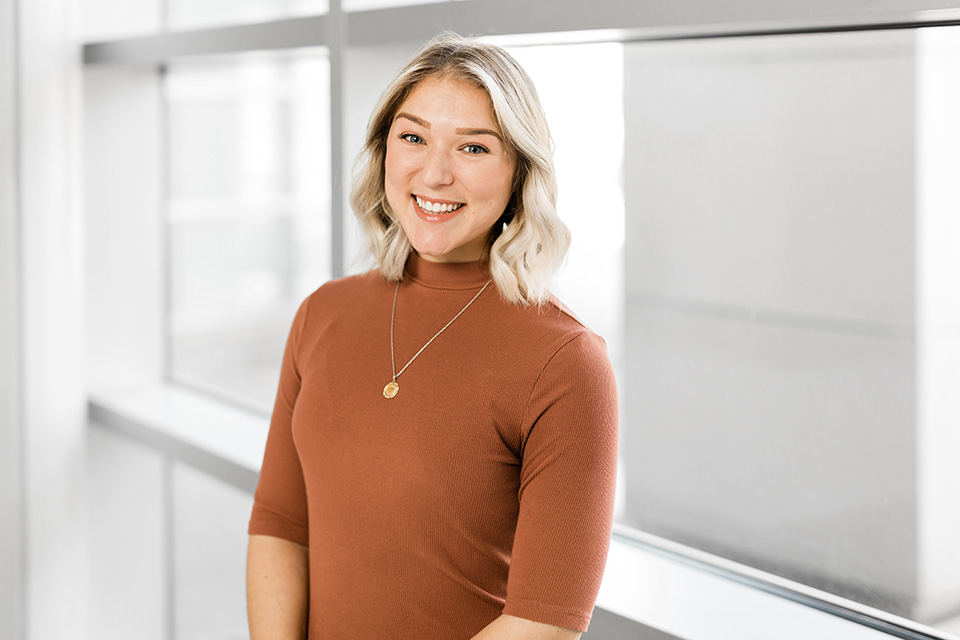
Rosey Walker
Music Admissions Counselor
I'm here to help you apply for admission to UNCSA. Please let me know if you have any questions!