
5 things first-time opera goers should know
If you’ve never been to the opera before, you’re in for something grand...literally. Opera combines live music, theatre and design to tell deeply human stories (no background knowledge required).
We asked Steven LaCosse, stage director and artistic director of the A.J. Fletcher Opera Institute, for his advice to make the most of your first performance.
1. Opera is for everyone
One of the most common misconceptions about opera is that it’s only for experts or longtime fans. In truth, opera was created for everyone. These stories are about love, rivalry, humor and heartbreak; timeless themes that anyone can connect with. The music and visual spectacle are designed to make you FEEL, not to test you. So, whether you love theatre, film or live music, opera offers something that will speak to you.
2. Know the story before you go
Spend a few minutes reading a short summary of the opera before attending. Knowing the plot ahead of time helps you follow the action and appreciate how the music, characters and staging work together to tell the story and shape the emotional arc of each moment.
3. Everything you hear is live
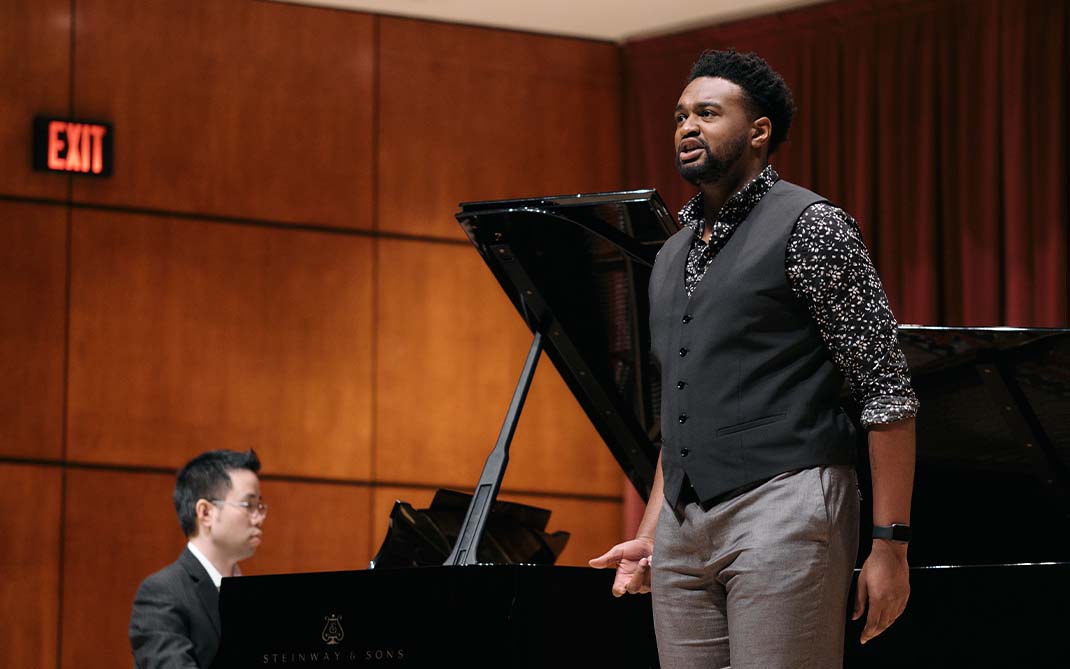
Part of opera’s magic is its authenticity. Every note you hear is created live in the moment. There are no microphones or amplification; just the performers' natural voices and the orchestra's sound filling the theatre. If it’s sung in another language, projected supertitles (translations projected above the stage) make it easy to follow along.
4. See it live to feel its power
Watching opera live is a completely different experience than listening to a recording or streaming it online. The scale, sound and emotion create an energy that recordings simply can’t replicate.
“There’s a grandness about opera that can wash over you as you watch the action unfold,” LaCosse says.
The combination of live music, powerful singing and detailed stagecraft creates an unforgettable shared experience.
5. This production brings Mozart’s “Idomeneo” to vivid life
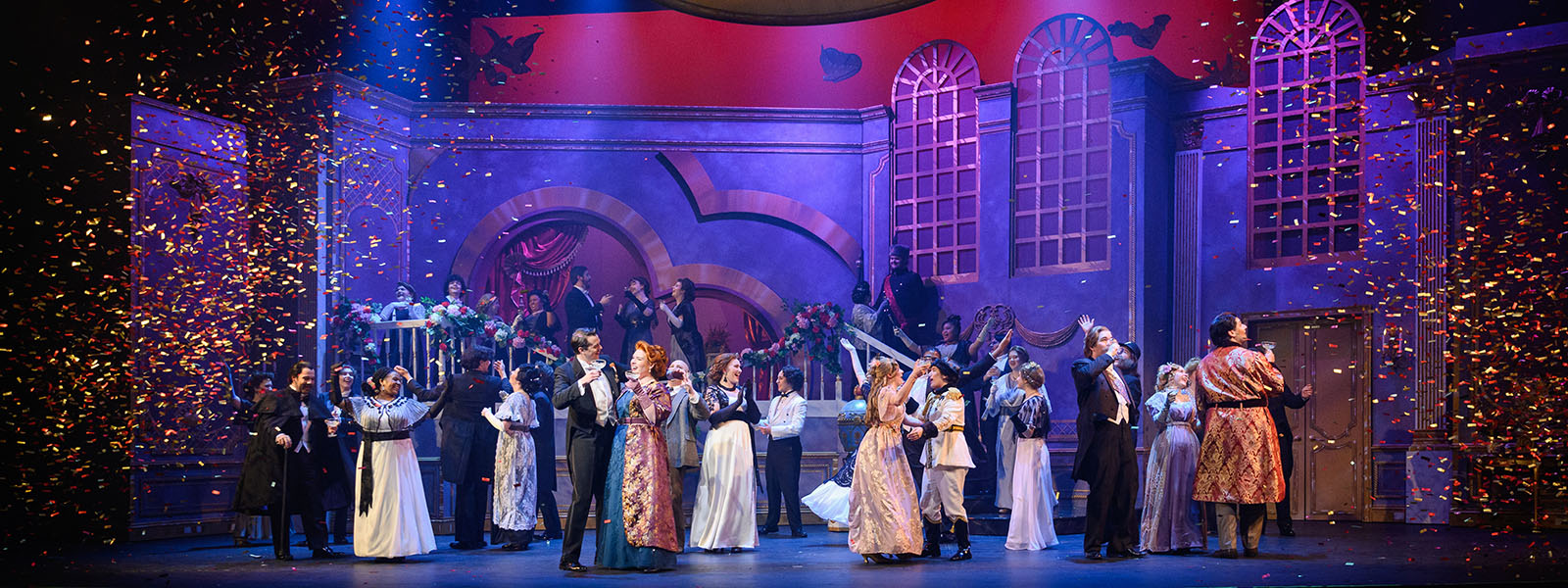
UNCSA’s upcoming production showcases Mozart’s “Idomeneo,” a thrilling story of love, fate and sacrifice. Set in Crete, an island in Greece, this staging blends historical and contemporary design elements to create a vibrant world full of color, texture and emotion.
Under the guidance of LaCosse and music director James Allbritten, the opera captures the drama and grandeur that make Mozart’s works so timeless.
Experience opera live at UNCSA
Discover why audiences around the world fall in love with opera. Each production by the A.J. Fletcher Opera Institute showcases the next generation of opera talent.
View the UNCSA performance calendar and purchase tickets.
First-Time Opera FAQ
What should I wear to the opera?
There’s no strict dress code at most opera performances. Many people treat it like a special night out and choose business casual or cocktail attire, while others come in neat jeans and a nice top. If you’re unsure, aim for “elevated but comfortable” and bring a layer, since theatres can feel cool.
How long does an opera performance usually last?
Most full-length operas run between about two and a half and three hours, including one or more intermissions. Some productions are shorter (around 90 minutes) with no intermission.
When should I arrive for my first opera?
Plan to arrive at least 30 minutes before curtain time so you can find your seat, skim the program and get settled without rushing. Extra time also helps if you want to visit the restroom, check a coat or read the synopsis before the performance begins.
When am I supposed to clap?
If you’re not sure when to applaud, a simple rule is: wait and follow the crowd. Many audiences clap at the end of big arias and always at the end of each act, so you can join in once you hear others begin.
Is there special etiquette I should know?
Opera etiquette is mostly about helping everyone enjoy the performance. Arrive on time, silence your phone completely, avoid talking, eating or using bright screens during the show, and step out only during intermission whenever possible.
Is opera in English? Will I understand what’s happening?
Many operas are sung in Italian, German or French, but you’ll be able to follow the story through projected supertitles in English and the visual storytelling on stage. Reading a short plot summary before the show will help you feel even more oriented.
Get the best news, performance and alumni stories from UNCSA.
SUBSCRIBE TO OUR NEWSLETTERS(OPENS IN NEW TAB)(OPENS IN NEW TAB)(OPENS IN NEW TAB)(OPENS IN NEW TAB)(opens in new tab)
February 2, 2026