Portfolio Requirements
Digital submission of a portfolio is required as part of the application.
Animatronics
Animatronics is a blend of technical and artistic disciplines. The portfolio should demonstrate aptitude in at least one these areas and a willingness to explore the other.
Portfolio may include:
- Photographs of completed projects, such as puppets, robotics, props, sculpture, 3D modeling and animation, prosthetics, kinetic art, practical effects, masks, costumes and animatronics.
- Documentation of the process for at least one (1) project, including preliminary sketches, drafting, technical drawings, organizational paperwork, mockups or models, progress photos and other process materials.
- Examples of creativity and craftsmanship, such as sketches, illustrations, painting, craft pieces, mold-making, soft goods, woodworking, metalworking, computer or programming work, technical drawings, etc.
- Both solo and collaborative projects.
Costume Design
The Portfolio has two (2) required sections that must both be uploaded to complete the application and meet the deadline:
Section 1: Portfolio Recording
- 2-3 minute video responding to the following prompt:
Imagine you are responsible for creating a large number of costumes for a production. The team you lead worked very hard to accomplish these looks. At the first tech-dress rehearsal, the director decides to cut these costumes.
-
- How do you respond to the director's new vision?
-
- How do you explain this decision to your team?
- How do you explain this decision to your team?
Section 2: Portfolio of Work
- Renderings, sketches, and photographs showcasing both produced and theoretical costume
designs. This includes studio skills such as figure and life drawing demonstrated
through traditional media such as acrylic, watercolor, ink, marker, and digital drawing.
It should also feature sewing skills (hand and machine), patternmaking, and garment
construction for both female and male presenting bodies. Research and mood boards
are encouraged. Paperwork demonstrating organizational ability, script analysis, workflow
processes and leadership are also beneficial.
- The portfolio may be uploaded as either individual digital slides or as a link to a publicly accessible website.
Applicants may contact Director of Costume Design Jennifer Gillette with questions about what to include in a portfolio.
Costume Technology
The Portfolio has two (2) required sections that must both be uploaded to complete the application and meet the deadline:
Section 1: Portfolio Recording
- 2-3 minute video responding to the following prompt:
Imagine you are responsible for creating a large number of costumes for a production.. The team you lead worked very hard to accomplish these looks. At the first tech-dress rehearsal, the director decides to cut these costumes.
-
- How do you respond to the director's new vision?
-
- How do you explain this decision to your team?
- How do you explain this decision to your team?
Section 2: Portfolio of Work
- Photographs of produced costumes, garments and/or costume elements illustrating pattern
making, garment construction, tailoring, and costume crafts for a range of female
and male-presenting bodies. Including images of exteriors, interiors, details, and
in-process is useful. Supplemental images of renderings, sketches, and photos displaying
both actual and conceptual costume designs are encouraged. Works that include studio
skills like figure and life drawing, sculpture, use of traditional media such as acrylic,
watercolor, ink, marker, as well as digital drawing are also helpful. Paperwork that demonstrates organizational
ability, script analysis, workflow processes, and leadership are also beneficial.
- The portfolio may be uploaded as either individual digital slides or as a link to a publicly accessible website.
Applicants may contact Director of Costume Technology Brent M. Bruin with questions about what to include in a portfolio.
Production and Project Management
Portfolio may include drawings, budgets, schedules, organizational paperwork that accurately represents your professional work and/or classwork up to the current time. Include any work or description of shows and/or projects where you had control of either a segment or the entire production timeline.
Scene Design
Applicants for the Scene Design M.F.A. program are pre-screened. Faculty offer or decline interviews based on the submitted application and required materials.
Portfolio may include sketchbooks and preliminary sketches (faculty is interested in your process), renderings, models or photographs of models, drawings, photographs of realized designs and their related materials-drafting, paint elevations, prop drawings and other non-theatrical artwork demonstrating your visual expression and the exploration of ideas. Artwork can include painting, drawing, illustration, sculpture and fine crafts.
Scenic Art
Applicants for the Scenic Art M.F.A. program are pre-screened. Faculty offer or decline interviews based on the submitted application and required materials.
A portfolio submitted for prescreening may include but is not limited to: sketchbooks, drawings, paintings, production shots of your work, renderings, sculpture, designs, paint elevations, draftings, examples of soft good skills and other non-theatrical artwork. If invited to interview, additional work may be shared at that time.
Stage Automation
Stage Properties
Portfolio may include but is not limited to: photographs or documentation of original work by the applicant, sketchbooks, drafting, prop drawings, painting, scene painting, renderings or designs, woodworking or construction, metalworking, mold making, sculpture or soft goods skills (such as sewing or upholstery). Examples of original work that demonstrate craftsmanship such as (but not limited to) furniture, masks, puppets, costumes, and craft pieces.
Sound Design
Portfolio may include but is not limited to: system design draftings, photos, audio examples used in productions, any documentation supporting script analysis and sound design for productions. Examples of any creative work.
Not all applicants have formal training in Sound Design. This is perfectly fine. Faculty ask that you demonstrate the desire for serious discourse and a passion for artistic engagement.
Technical Direction
Applicants for the Technical Direction M.F.A. program are pre-screened. Faculty offer or decline interviews based on the submitted application and required materials.
Portfolio may include:
- Drafting plates, technical drawings, production photographs, and close-up photographs of construction detail (in progress or finished work) showing the quality of your personal
craftsmanship. All close-up construction detail photos should be under worklights, if possible. Photographs may
be of sets, props, or other types of fabrication projects in and outside of school.
- Documentation supporting project planning, budgeting, and organizational skills. Examples of this can include material break downs for purchasing, schedules for completing the fabrication, or labor assignments.
Wig & Makeup Design
Applicants for the Wig & Makeup Design M.F.A. program are pre-screened. Faculty offer or decline interviews based on the submitted application and required materials.
Portfolio may include:
- Images of realized makeups and hair styling, on yourself or on models. Wig work, including own-hair, and styled, altered, or constructed wigs/hairpieces.
- Prosthetic/FX work, including 2D, 3D, moulage, sculpting, mold-making, and any realized looks/characters.
- Any design work, including sketches, renderings, and realized production images.
- Any examples of creativity and craftsmanship, such as drawing, painting, costuming, props, and ceramics.
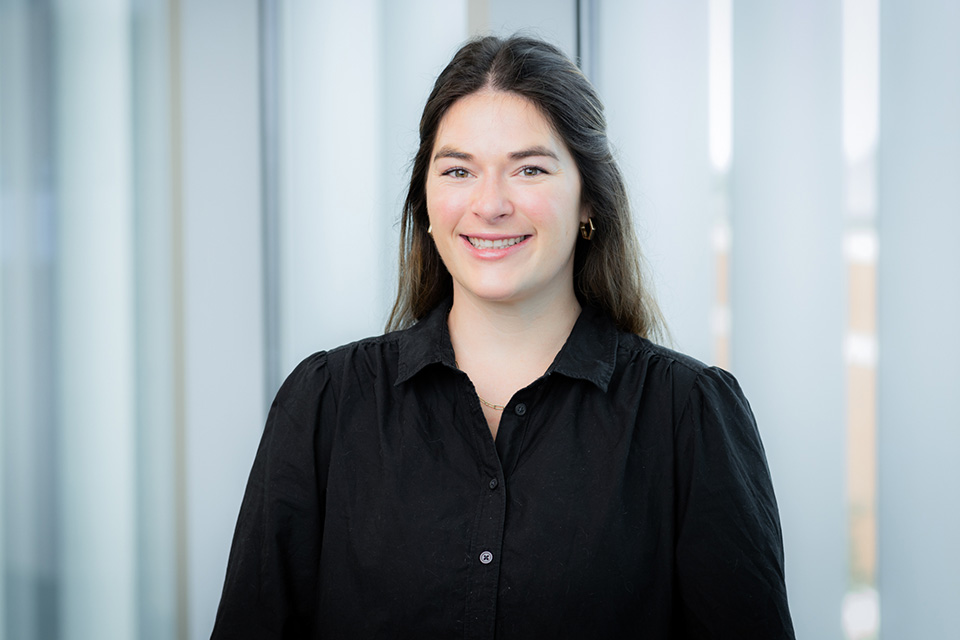
Addie Proske
Design & Production Admissions Counselor
I'm here to help you apply for admission into the School of Design & Production. Please let me know if you have any questions!